
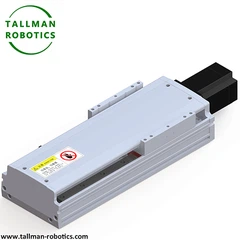


Hey there! As a supplier of Industrial Cam Indexers, I get a lot of questions about safety precautions. You know, these indexers are super useful in all sorts of industrial applications, but it's crucial to use them safely. So, let's dive into the safety measures you should take when using an Industrial Cam Indexer.
1. Pre - operation Checks
Before you even start up the Industrial Cam Indexer, there are a bunch of things you need to check. First off, look at the physical condition of the indexer. Make sure there are no visible signs of damage, like cracks or dents on the housing. A damaged indexer can malfunction and pose a serious safety risk.
Check the mounting. The indexer should be firmly mounted on a stable surface. Loose mounting can cause vibrations, which not only affect the performance of the indexer but can also lead to it falling or shifting during operation. You don't want that!
Inspect the drive components. This includes the belts, chains, and gears. They should be in good condition, properly tensioned, and free from any wear or damage. If a belt snaps or a gear breaks during operation, it could cause the indexer to stop suddenly or move erratically.
Another important pre - operation check is the lubrication. Industrial Cam Indexers need proper lubrication to function smoothly. Check the oil level and make sure it's at the appropriate level. Also, look for any signs of oil leakage. If there's a leak, it could lead to insufficient lubrication, which in turn can cause excessive wear and tear on the components.


2. Electrical Safety
Most Industrial Cam Indexers are powered by electricity, so electrical safety is a big deal. Make sure the electrical connections are secure. Loose connections can cause short - circuits, which can not only damage the indexer but also pose a fire hazard.
Use the correct voltage and frequency. Using the wrong electrical specifications can damage the motor and other electrical components of the indexer. Always refer to the manufacturer's instructions for the correct electrical requirements.
Ground the indexer properly. A proper ground connection helps protect against electrical shocks. It's a simple but essential safety measure that can save you from a potentially dangerous situation.
3. Operator Training
This is probably one of the most important safety precautions. Operators should be properly trained on how to use the Industrial Cam Indexer. They need to understand how to start, stop, and adjust the indexer. They should also know what to do in case of an emergency.
Training should cover all aspects of the indexer's operation, including how to load and unload workpieces safely. For example, when loading a heavy workpiece onto the indexer, the operator should use proper lifting equipment and follow the correct procedures to avoid injuries.
Operators should also be aware of the potential hazards associated with the indexer. This includes the moving parts, which can cause pinching, crushing, or entanglement injuries. They should know how to use personal protective equipment (PPE), such as safety gloves and goggles.
4. Workspace Safety
The workspace where the Industrial Cam Indexer is located should be clean and organized. Clutter can increase the risk of tripping and falling. Keep the area around the indexer free from tools, materials, and debris.
Install safety guards. Safety guards are a must - have for Industrial Cam Indexers. They help prevent access to the moving parts of the indexer, reducing the risk of injuries. Make sure the guards are in place and in good condition at all times.
Provide proper lighting in the workspace. Good lighting is essential for operators to see what they're doing. Poor lighting can lead to mistakes and accidents.
5. Maintenance and Inspection
Regular maintenance and inspection are key to ensuring the safety of the Industrial Cam Indexer. Set up a maintenance schedule and follow it religiously. This includes tasks like cleaning the indexer, checking the lubrication, and inspecting the components for wear and tear.
During inspections, look for any signs of abnormal noise, vibration, or heat. These could be indicators of a problem with the indexer. If you notice anything unusual, stop the operation immediately and have the indexer checked by a qualified technician.
Replace worn - out parts promptly. Using worn - out parts can compromise the safety and performance of the indexer. Always use genuine parts recommended by the manufacturer.
Now, let's talk about some of the different types of Industrial Cam Indexers we offer. We have the DS Cam Indexer, which is known for its high precision and reliability. It's great for applications where accuracy is crucial.
The Cam Driven Indexer is another popular option. It offers smooth and efficient operation, making it suitable for a wide range of industrial processes.
And then there's the Compact Cam Indexer. As the name suggests, it's compact in size, which makes it a great choice for applications where space is limited.
If you're in the market for an Industrial Cam Indexer and want to learn more about our products or have any questions about safety precautions, don't hesitate to reach out. We're here to help you make the right choice and ensure that you use our products safely and effectively.
References
- Manufacturer's manuals for Industrial Cam Indexers
- Industry safety standards and guidelines


