
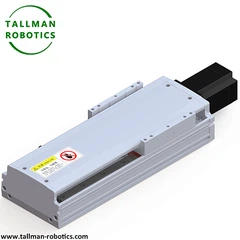


Do smart electric grippers require maintenance? That's a question I get asked a lot as a supplier of smart electric grippers. And the short answer is yes, they do. But before you start to worry, let me break it down for you and explain why maintenance is important and how you can do it right.
First off, let's talk about what smart electric grippers are. These are high - tech devices that are used in industrial automation. They can pick up, hold, and manipulate objects with precision, thanks to their advanced sensors and electric control systems. They've become a staple in manufacturing, logistics, and other industries where efficiency and accuracy are key.
Now, why do they need maintenance? Well, like any piece of machinery, smart electric grippers are made up of various components that can wear out over time. The moving parts, such as the jaws that grip the objects, are constantly in motion. Frequent use can lead to friction, which in turn can cause wear and tear. The electrical components, including the motors and sensors, are also subject to stress and can develop issues if not properly maintained.


One of the main areas that need attention is the mechanical part of the gripper. The gears and linkages inside the gripper play a crucial role in its operation. For example, the Planetary Reduction Unit is often used in smart electric grippers to provide the necessary torque and speed reduction. Over time, the teeth on the gears can wear down, and the lubrication can dry up. This can lead to increased noise, reduced efficiency, and even complete failure if not addressed.
Regularly checking the mechanical components for signs of wear is essential. You should look for things like excessive play in the joints, unusual noises during operation, or visible damage to the parts. If you notice any of these issues, it's time to take action. This could involve cleaning the components, replacing worn - out parts, or reapplying lubrication.
The electrical system is another critical part of smart electric grippers. The sensors are what make these grippers "smart." They can detect the position, force, and even the shape of the objects being gripped. However, sensors can be sensitive and may need calibration from time to time. If the sensors are not calibrated correctly, the gripper may not operate as intended, leading to inaccurate gripping and potential damage to the objects or the gripper itself.
The motors in smart electric grippers are also a key component. They provide the power needed for the jaws to open and close. Motors can overheat if they are overworked or if there are issues with the electrical connections. Regularly inspecting the motor for signs of overheating, such as a burning smell or unusual vibrations, can help prevent major problems.
Another aspect to consider is the environment in which the smart electric grippers are used. If they are used in a dusty or dirty environment, the dust can accumulate inside the gripper and cause problems. The dust can clog the moving parts, interfere with the sensors, and even damage the electrical components. In such cases, it's important to clean the grippers more frequently and take steps to protect them from the dust, such as using covers or enclosures.
Similarly, if the grippers are used in a wet or humid environment, corrosion can be a major issue. Corrosion can weaken the metal parts of the gripper and damage the electrical connections. Applying anti - corrosion coatings and ensuring proper drainage can help mitigate this problem.
Now, let's talk about how often maintenance should be done. The frequency of maintenance depends on several factors, including how often the grippers are used, the environment in which they are used, and the specific model of the gripper. As a general rule of thumb, a basic inspection should be done after every 100 - 200 hours of operation. A more comprehensive maintenance check, which may involve disassembling the gripper and checking all the components, should be done every 500 - 1000 hours.
But don't worry, maintenance doesn't have to be a hassle. Most smart electric grippers come with detailed user manuals that provide step - by - step instructions on how to perform maintenance. And as a supplier, I'm always here to offer support and advice. Whether you need help with troubleshooting, finding replacement parts, or understanding the maintenance schedule, I've got your back.
Some of the other components that might be used in conjunction with smart electric grippers are the Packaging Cam Indexer and the RV Drive Unit. These also require proper maintenance to ensure the overall efficiency of the automation system. The cam indexer is used for precise indexing in packaging applications, and the RV drive unit provides high - torque and smooth operation. Just like the grippers, they have moving parts and electrical components that need to be inspected and maintained regularly.
In conclusion, while smart electric grippers do require maintenance, it's a small price to pay for the benefits they offer. By keeping up with regular maintenance, you can extend the lifespan of your grippers, improve their performance, and avoid costly breakdowns. If you're in the market for smart electric grippers or need help with maintaining your existing ones, I'd love to have a chat. Whether you're a small - scale manufacturer or a large - scale industrial operation, I can provide you with the right products and support to meet your needs. So, don't hesitate to reach out and start a conversation about how we can work together to optimize your automation processes.
References
General knowledge of industrial automation and smart electric grippers
Manufacturer manuals of smart electric grippers, planetary reduction units, packaging cam indexers, and RV drive units


