
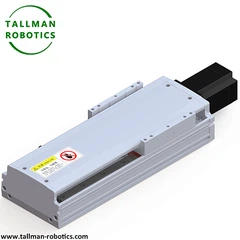


In the realm of industrial automation, cam actuated indexers play a pivotal role in achieving precise and efficient motion control. These devices are widely used in various applications, from packaging machinery to assembly lines, where accurate indexing is crucial for the overall performance of the system. As a supplier of cam actuated indexers, I understand the significance of repeatability in these mechanisms. Repeatability refers to the ability of an indexer to return to the same position with a high degree of accuracy over multiple cycles. In this blog post, I will share some insights on how to improve the repeatability of a cam actuated indexer.
Understanding the Basics of Cam Actuated Indexers
Before delving into the strategies for improving repeatability, it is essential to have a clear understanding of how cam actuated indexers work. A cam actuated indexer consists of a cam and a follower. The cam is a specially designed profile that rotates, and the follower moves in a predetermined pattern based on the shape of the cam. This motion is then translated into an indexing motion, which allows the indexer to move a load to a specific position at regular intervals.
There are different types of cam actuated indexers, each with its own unique characteristics and applications. For example, the Step Indexing Cam Mechanism is designed to provide discrete steps of motion, making it suitable for applications where precise positioning is required. The Plate Cam Indexer uses a flat plate cam to generate the indexing motion, offering a compact and cost - effective solution. The Planar Cam Indexer is another type that can provide complex motion profiles and high precision.
Factors Affecting Repeatability
Several factors can influence the repeatability of a cam actuated indexer. Understanding these factors is the first step in improving repeatability.
1. Cam Design
The design of the cam is one of the most critical factors. A well - designed cam profile ensures smooth and accurate motion of the follower. Any irregularities or inaccuracies in the cam profile can lead to variations in the indexing position. For example, if the cam has a rough surface finish, it can cause the follower to experience uneven forces, resulting in inconsistent motion. Additionally, the cam's geometry, such as the rise and fall angles, stroke length, and dwell periods, must be carefully calculated to meet the specific requirements of the application.
2. Mechanical Wear and Tear
Over time, the components of a cam actuated indexer are subject to wear and tear. The cam and the follower, in particular, experience friction and mechanical stress during operation. This can lead to surface degradation, such as pitting or scoring, which can affect the accuracy of the indexing motion. Other components, such as bearings and shafts, can also wear out, causing misalignment and reducing the overall repeatability of the system.
3. Lubrication
Proper lubrication is essential for reducing friction and wear in a cam actuated indexer. Insufficient lubrication can cause increased friction between the cam and the follower, leading to heat generation and premature wear. On the other hand, over - lubrication can cause excessive oil build - up, which can attract dirt and debris, also affecting the performance of the indexer. The choice of lubricant is also crucial, as different applications may require lubricants with specific properties, such as viscosity and temperature resistance.
4. Environmental Conditions
The environmental conditions in which the cam actuated indexer operates can have a significant impact on its repeatability. Factors such as temperature, humidity, and dust can affect the performance of the indexer. For example, high temperatures can cause thermal expansion of the components, which can lead to misalignment and changes in the indexing position. Dust and debris can also enter the mechanism, causing wear and interfering with the smooth operation of the cam and follower.
Strategies for Improving Repeatability
1. Optimize Cam Design
To improve repeatability, it is essential to optimize the cam design. This involves using advanced engineering software to create a precise cam profile that meets the specific requirements of the application. The cam should be machined with high precision using state - of - the - art manufacturing processes. This ensures that the cam surface is smooth and the geometry is accurate, minimizing any variations in the indexing motion. Additionally, the cam design should take into account factors such as the load requirements, speed, and acceleration of the system.
2. Regular Maintenance and Inspection
Regular maintenance and inspection are crucial for ensuring the long - term repeatability of a cam actuated indexer. This includes checking for signs of wear and tear on the cam, follower, bearings, and other components. Any worn - out parts should be replaced promptly to prevent further damage. Lubrication levels should also be monitored and maintained at the appropriate level. A maintenance schedule should be established based on the manufacturer's recommendations and the specific operating conditions of the indexer.
3. Use High - Quality Components
Using high - quality components is another effective way to improve repeatability. High - grade materials for the cam, follower, bearings, and shafts can withstand the mechanical stresses and wear associated with the operation of the indexer. Additionally, high - quality components are more likely to have consistent dimensions and properties, which contributes to the overall accuracy of the indexing motion.
4. Control Environmental Conditions
To minimize the impact of environmental conditions on repeatability, it is important to control the operating environment of the cam actuated indexer. This can be achieved by installing the indexer in a clean and temperature - controlled environment. If the indexer is exposed to harsh environmental conditions, protective enclosures can be used to shield it from dust, moisture, and other contaminants. Temperature sensors and cooling systems can also be installed to maintain a stable operating temperature.
5. Calibration and Alignment
Proper calibration and alignment of the cam actuated indexer are essential for achieving high repeatability. The indexer should be calibrated during installation and periodically checked to ensure that it is operating within the specified tolerances. Alignment of the cam, follower, and other components is also crucial. Any misalignment can cause uneven forces and inconsistent motion, reducing the repeatability of the indexer.
Conclusion
Improving the repeatability of a cam actuated indexer is a multi - faceted process that requires careful consideration of various factors, including cam design, mechanical wear, lubrication, environmental conditions, and calibration. By implementing the strategies outlined in this blog post, you can enhance the performance and reliability of your cam actuated indexer, ensuring accurate and consistent indexing motion over multiple cycles.
If you are in the market for a cam actuated indexer or need further assistance with improving the repeatability of your existing system, we are here to help. Our team of experts has extensive experience in the design, manufacturing, and application of cam actuated indexers. Contact us to discuss your specific requirements and explore how our products can meet your needs.


References
- "Motion Control Handbook" by Peter Nachtwey
- "Industrial Automation: Theory and Practice" by Rajesh K. Singh


