
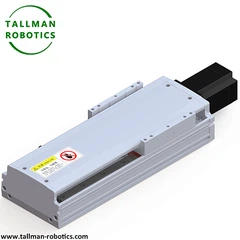


Hey there! As a supplier of Parallel Electric Grippers, I've seen my fair share of issues that customers face, and one of the most common problems is the gripper jamming. It can be a real headache, causing downtime and potentially affecting your production line. So, in this blog, I'm gonna share some tips on how to prevent your parallel electric gripper from jamming.
Understanding the Causes of Jamming
Before we dive into the prevention methods, it's important to understand what causes the gripper to jam in the first place. There are several factors that can contribute to this issue:
- Contamination: Dust, debris, and other contaminants can get into the gripper mechanism, causing it to seize up. This is especially common in industrial environments where there's a lot of dirt and grime.
- Wear and Tear: Over time, the moving parts of the gripper can wear out, leading to increased friction and eventually jamming. This is more likely to happen if the gripper is used frequently or in harsh conditions.
- Incorrect Installation: If the gripper is not installed correctly, it can put extra stress on the mechanism, causing it to jam. This can happen if the mounting holes are not aligned properly or if the gripper is not tightened securely.
- Overloading: If the gripper is used to handle objects that are too heavy or too large, it can put too much strain on the mechanism, causing it to jam. This is why it's important to choose the right gripper for the job.
Prevention Methods
Now that we know what causes the gripper to jam, let's look at some ways to prevent it from happening:
Regular Maintenance
One of the most important things you can do to prevent jamming is to perform regular maintenance on your gripper. This includes cleaning the gripper regularly to remove any dirt or debris that may have accumulated. You should also lubricate the moving parts to reduce friction and wear. Make sure to use the recommended lubricant for your gripper, as using the wrong type of lubricant can cause damage.
Another important aspect of maintenance is to inspect the gripper for any signs of wear or damage. Look for any cracks, chips, or other signs of damage on the gripper fingers, jaws, or other parts. If you notice any damage, replace the affected parts immediately to prevent further damage and jamming.
Proper Installation
As I mentioned earlier, incorrect installation can cause the gripper to jam. So, it's important to make sure that the gripper is installed correctly. Follow the manufacturer's instructions carefully and use the recommended tools and hardware. Make sure that the mounting holes are aligned properly and that the gripper is tightened securely.
If you're not sure how to install the gripper, don't hesitate to ask for help. Most manufacturers offer installation guides and support to help you get the job done right. You can also consult with a professional technician who has experience installing parallel electric grippers.
Choosing the Right Gripper
Choosing the right gripper for the job is crucial to preventing jamming. Make sure to choose a gripper that is rated for the weight and size of the objects you'll be handling. You should also consider the environment in which the gripper will be used. If the environment is dusty or dirty, you may need to choose a gripper that is designed to be more resistant to contamination.
There are several types of parallel electric grippers available on the market, each with its own features and benefits. For example, the Electric Grippers Module is a versatile gripper that can be used in a variety of applications. The Electric Parallel Claw is a more compact gripper that is ideal for use in tight spaces. And the Servo Motorized Gripper is a high-performance gripper that offers precise control and positioning.


Monitoring and Control
Another way to prevent jamming is to monitor the performance of your gripper and make adjustments as needed. Most parallel electric grippers come with built-in sensors that can detect changes in the gripper's position, force, or other parameters. You can use this information to monitor the performance of the gripper and detect any potential issues before they become serious.
You can also use a control system to adjust the settings of the gripper based on the specific requirements of your application. For example, you can adjust the gripping force, speed, or position of the gripper to optimize its performance and prevent jamming.
Conclusion
Preventing your parallel electric gripper from jamming is essential to ensuring the smooth operation of your production line. By following the tips outlined in this blog, you can reduce the risk of jamming and keep your gripper running smoothly for years to come.
If you have any questions or need further assistance with your parallel electric gripper, don't hesitate to contact us. We're here to help you choose the right gripper for your application and provide you with the support and maintenance services you need to keep it running smoothly. Whether you're a small business or a large corporation, we have the expertise and experience to meet your needs. So, why wait? Contact us today to learn more about our products and services and how we can help you improve your production efficiency.
References
- Manufacturer's manuals and documentation for parallel electric grippers.
- Industry standards and best practices for the use and maintenance of robotic end-effectors.


