

A solar water heater is a device that harnesses solar energy to heat water for various uses, such as domestic hot water supply, space heating, and industrial processes. As a components supplier, I am well - versed in the different parts that make up a solar water heater. In this blog, I will delve into the key components of a solar water heater, their functions, and how they work together to provide an efficient and sustainable hot water solution.
Solar Collectors
Solar collectors are the heart of a solar water heater. They are responsible for capturing sunlight and converting it into heat. There are two main types of solar collectors: flat - plate collectors and evacuated tube collectors.
Flat - plate collectors are the most common type. They consist of a flat, rectangular box with a transparent cover, usually made of glass. Inside the box, there is a dark - colored absorber plate that absorbs sunlight. Tubes are attached to the absorber plate, and water or a heat - transfer fluid flows through these tubes. As the absorber plate heats up, it transfers the heat to the fluid inside the tubes. Flat - plate collectors are relatively simple in design, cost - effective, and suitable for a wide range of applications.
Evacuated tube collectors, on the other hand, are more efficient, especially in colder climates. They are made up of a series of glass tubes, each containing an absorber tube. The space between the outer glass tube and the absorber tube is evacuated, creating a vacuum. This vacuum acts as an insulator, reducing heat loss. Evacuated tube collectors can capture sunlight from different angles and are better at retaining heat, making them ideal for areas with low sunlight or cold temperatures.
Storage Tanks
Storage tanks are used to store the heated water. They come in different sizes and materials. The size of the storage tank depends on the hot water demand of the household or facility. Common materials for storage tanks include steel, fiberglass, and plastic.
Steel tanks are durable and can withstand high pressures. They are often coated with a protective layer to prevent corrosion. Fiberglass tanks are lightweight, resistant to corrosion, and have good insulation properties. Plastic tanks are inexpensive and easy to install, but they may not be as durable as steel or fiberglass tanks.
The storage tank is usually equipped with an insulation layer to reduce heat loss. This helps to keep the water hot for a longer period. Some storage tanks also have a built - in heating element, which can be used as a backup in case the solar energy is insufficient to heat the water.
Circulation System
The circulation system is responsible for moving the heat - transfer fluid between the solar collectors and the storage tank. There are two main types of circulation systems: passive and active.
Passive circulation systems rely on natural convection to move the fluid. In a passive system, the solar collector is installed below the storage tank. As the fluid in the collector heats up, it becomes less dense and rises to the storage tank. Cooler fluid from the tank then flows back to the collector to be heated. Passive systems are simple, reliable, and require no external power source.
Active circulation systems, on the other hand, use pumps to move the fluid. They are more efficient and can be used in larger systems or in situations where the solar collector and storage tank are not in a suitable position for natural convection. Active systems can be further divided into direct and indirect systems. In a direct system, water from the storage tank is pumped directly through the solar collectors. In an indirect system, a heat - transfer fluid, such as antifreeze, is pumped through the collectors, and the heat is transferred to the water in the storage tank via a heat exchanger.
Heat Exchangers
Heat exchangers are used in indirect solar water heating systems to transfer heat from the heat - transfer fluid in the solar collectors to the water in the storage tank. There are several types of heat exchangers, including plate - type, shell - and - tube, and coil - type heat exchangers.
Plate - type heat exchangers consist of a series of thin plates that are stacked together. The heat - transfer fluid and the water flow through alternate channels between the plates, allowing for efficient heat transfer. Shell - and - tube heat exchangers have a shell that contains a bundle of tubes. The heat - transfer fluid flows through the tubes, and the water flows around the tubes, facilitating heat exchange. Coil - type heat exchangers are made up of a coiled tube that is immersed in the water in the storage tank. The heat - transfer fluid flows through the coil, transferring heat to the water.
Controls and Sensors
Controls and sensors are essential for the proper operation of a solar water heater. They monitor and regulate the temperature and flow of the heat - transfer fluid and water.
Temperature sensors are used to measure the temperature of the solar collectors and the storage tank. Based on the temperature readings, the control system can determine when to start or stop the circulation pump. For example, if the temperature in the solar collectors is higher than the temperature in the storage tank, the pump will be turned on to transfer the heat.
Flow sensors are used to measure the flow rate of the heat - transfer fluid. This helps to ensure that the fluid is flowing at the correct rate and that the system is operating efficiently.
In addition to temperature and flow sensors, some solar water heaters also have pressure sensors and over - temperature protection devices. Pressure sensors monitor the pressure in the system and can trigger an alarm or shut down the system if the pressure exceeds a safe level. Over - temperature protection devices prevent the water in the storage tank from overheating.


Additional Components
Apart from the main components mentioned above, there are also some additional components that can enhance the performance and functionality of a solar water heater.
Linear Slide Rail and Linear Guideways can be used in the installation and adjustment of solar collectors. These components provide smooth and precise movement, allowing for easy positioning and alignment of the collectors to optimize sunlight capture.
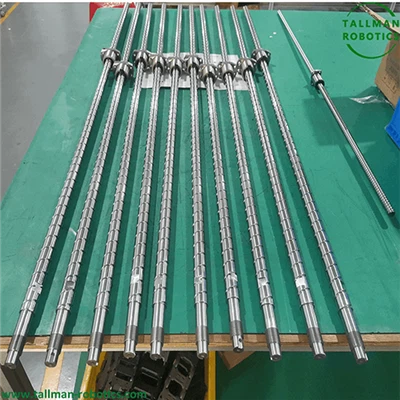
Linear Actuation Ball Screw can be used in systems where the solar collectors need to be adjusted or moved automatically. For example, in some tracking systems, the ball screw can be used to tilt or rotate the collectors to follow the sun's path throughout the day, increasing the amount of sunlight captured.
Conclusion
A solar water heater is a complex system that consists of several components working together to provide an efficient and sustainable hot water solution. As a components supplier, I understand the importance of high - quality components in ensuring the performance and reliability of solar water heaters. Whether you are a homeowner looking to install a solar water heater or a contractor working on a large - scale project, having access to the right components is crucial.
If you are interested in purchasing components for your solar water heater project, I encourage you to contact me for a detailed discussion. We can work together to determine the best components for your specific needs and ensure that your solar water heater system operates at its best.
References
- Duffie, J. A., & Beckman, W. A. (2013). Solar Engineering of Thermal Processes. John Wiley & Sons.
- Garg, H. P., & Lof, G. O. G. (1985). Solar Water Heating Systems. Hemisphere Publishing Corporation.