
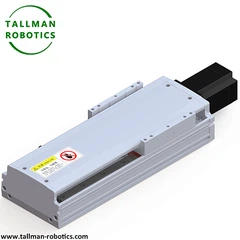


When it comes to selecting a Cam Actuated Indexer, there are numerous factors that need to be carefully considered. As a supplier of Cam Actuated Indexers, I have witnessed firsthand the importance of making an informed decision in this regard. In this blog post, I will delve into the key factors that should guide your choice when selecting a Cam Actuated Indexer.
1. Application Requirements
The first and most crucial factor to consider is the specific application for which the Cam Actuated Indexer will be used. Different applications have different requirements in terms of speed, accuracy, torque, and the number of indexing positions. For example, in a high - speed packaging line, the indexer needs to be able to perform rapid and precise indexing to keep up with the production pace. On the other hand, in a precision machining application, high accuracy and repeatability are of utmost importance.
If your application involves heavy loads, you need to ensure that the indexer can handle the required torque. The number of indexing positions also varies depending on the application. Some processes may require only a few indexing positions, while others may need a large number of precise stops. For instance, a multi - station assembly machine may need an indexer with 8, 12, or even more indexing positions.
2. Indexing Accuracy
Indexing accuracy is a critical parameter for many applications. It refers to the ability of the indexer to stop at the desired position with a high degree of precision. The accuracy is usually measured in arc - minutes or degrees. In applications such as semiconductor manufacturing or optical component assembly, even the slightest deviation from the desired position can lead to product defects.
When selecting a Cam Actuated Indexer, you should look for models that offer high indexing accuracy. Some indexers are designed with advanced cam profiles and precision manufacturing techniques to ensure accurate and repeatable indexing. For example, the DT Cam Indexer is known for its excellent indexing accuracy, making it suitable for applications where precision is key.
3. Speed and Cycle Time
The speed at which the indexer can operate and the cycle time it can achieve are important considerations, especially in high - volume production environments. The cycle time is the time required for the indexer to complete one full indexing cycle, including the indexing motion and the dwell time.
Higher - speed indexers can increase the production rate, but they may also require more robust construction and better lubrication systems to ensure reliable operation. You need to balance the speed requirements of your application with the capabilities of the indexer. Some Cam Actuated Indexers are designed for high - speed operation, while others are more suitable for slower, more precise applications. The Parallel Indexing Cam is often used in applications where high - speed indexing is required, thanks to its efficient design and smooth operation.


4. Torque Capacity
Torque capacity is another vital factor, especially when the indexer needs to drive heavy loads or overcome significant inertia. The torque capacity of an indexer is determined by its design, the size of the cam, and the materials used in its construction.
If the torque requirements of your application exceed the capacity of the indexer, it can lead to premature wear, reduced accuracy, and even mechanical failure. Therefore, it is essential to accurately calculate the torque requirements of your system and select an indexer with a sufficient torque capacity. For example, in a large - scale rotary table application where heavy workpieces are being rotated, a high - torque indexer such as the Indexing and Positioning Cam Device may be required.
5. Dwell Time
Dwell time is the period during which the indexer remains stationary at a particular position. This time is crucial for processes such as assembly, inspection, or machining, where work needs to be done while the workpiece is in a fixed position.
The dwell time can be adjusted in some Cam Actuated Indexers, allowing you to optimize the production process according to your specific requirements. You need to ensure that the indexer can provide a sufficient dwell time for your application. Some indexers offer variable dwell times, which can be beneficial in applications where the processing time at each station may vary.
6. Durability and Reliability
In industrial applications, durability and reliability are non - negotiable. The Cam Actuated Indexer will be subjected to continuous operation, and it needs to withstand the rigors of the production environment. Factors such as the quality of materials, the manufacturing process, and the design of the indexer all contribute to its durability and reliability.
Look for indexers that are made from high - quality materials, such as hardened steel or alloy, and have a robust construction. A well - designed lubrication system is also important to reduce friction and wear. Additionally, consider the reputation of the manufacturer and look for products that come with a warranty. A reliable indexer will minimize downtime and maintenance costs, ensuring smooth and efficient production.
7. Ease of Installation and Maintenance
The ease of installation and maintenance can have a significant impact on the overall cost and efficiency of your production system. An indexer that is easy to install can save time and labor costs during the initial setup. It should also be easy to access for maintenance and inspection.
Some Cam Actuated Indexers are designed with modular construction, which makes them easier to install and replace individual components. Clear installation instructions and support from the manufacturer can also simplify the installation process. Regular maintenance, such as lubrication and inspection of wear parts, is essential to ensure the long - term performance of the indexer. Therefore, choose an indexer that is designed for easy maintenance.
8. Cost
Cost is always a consideration in any purchasing decision. However, it should not be the only factor. While it may be tempting to choose the cheapest option, a low - cost indexer may not meet your performance requirements or may have a shorter lifespan, leading to higher long - term costs.
Compare the features, performance, and durability of different indexers and consider the total cost of ownership, including the purchase price, installation costs, maintenance costs, and potential downtime costs. Sometimes, investing in a higher - quality indexer can result in significant savings in the long run.
9. Compatibility with Other Components
The Cam Actuated Indexer needs to be compatible with other components in your production system, such as motors, controllers, and sensors. Ensure that the indexer has the appropriate mounting options and interfaces to integrate seamlessly with your existing equipment.
For example, if you are using a servo motor to drive the indexer, make sure that the indexer can be easily coupled to the motor and that the control system can communicate effectively with both the motor and the indexer. Compatibility issues can lead to performance problems and additional costs for modifications.
10. Technical Support
Finally, consider the technical support offered by the manufacturer. A reliable manufacturer will provide comprehensive technical support, including installation guidance, troubleshooting assistance, and spare parts availability.
In case of any issues with the indexer, having access to knowledgeable technical support can minimize downtime and ensure that your production system is up and running as quickly as possible. Look for manufacturers that have a good reputation for providing excellent customer service and technical support.
In conclusion, selecting the right Cam Actuated Indexer requires careful consideration of multiple factors. By taking into account the application requirements, indexing accuracy, speed, torque capacity, and other factors mentioned above, you can make an informed decision that will meet the needs of your production system. If you are in the process of selecting a Cam Actuated Indexer for your application, we are here to help. Our team of experts can provide you with detailed information and guidance to ensure that you choose the best indexer for your specific requirements. Contact us to start a discussion about your indexing needs and explore the options available.
References
- "Motion Control Handbook", Various Authors
- Manufacturer's Catalogs of Cam Actuated Indexers
- Industry Standards and Guidelines for Indexing Systems


