
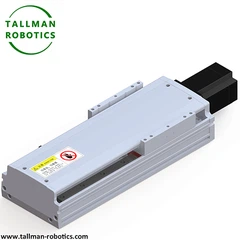


Hey there! I'm a supplier of ball screws, and today I wanna chat about how these nifty components are used in the power generation industry. Ball screws are like the unsung heroes in many industrial applications, and the power generation sector is no exception.


1. The Basics of Ball Screws
Before we dive into their use in power generation, let's quickly go over what ball screws are. A ball screw is a mechanical linear actuator that translates rotational motion into linear motion with high efficiency. It consists of a screw shaft, a nut, and a bunch of balls that roll between the screw and the nut. This design reduces friction significantly compared to traditional lead screws, which means less wear and tear and better performance over time.
There are different types of ball screws available, like the Linear Actuation Ball Screw, Linear Motion Ball Screw, and Linear Ball Screw. Each type has its own unique features and is suited for different applications.
2. Ball Screws in Hydroelectric Power Generation
Hydroelectric power plants are a major player in the power generation game. They use the energy of flowing water to generate electricity. Ball screws play a crucial role in several aspects of these plants.
Turbine Control Systems
One of the key areas where ball screws are used is in turbine control systems. Turbines need to be adjusted precisely to optimize power output based on the water flow and demand. Ball screws are used to control the pitch of the turbine blades. By adjusting the blade pitch, the turbine can capture more or less energy from the water, depending on the conditions. The high precision and efficiency of ball screws ensure that these adjustments are made accurately and quickly, which is essential for maintaining stable power generation.
Gate and Valve Actuation
Hydroelectric plants also have a lot of gates and valves that need to be opened and closed to control the flow of water. Ball screws are used in the actuators for these gates and valves. They can provide the necessary force to move large gates and valves smoothly and precisely. This is important for regulating the water flow through the plant and preventing damage from over - or under - flow.
3. Ball Screws in Thermal Power Generation
Thermal power plants, which use coal, gas, or oil to generate heat and then electricity, also rely on ball screws in various ways.
Boiler Feedwater Control
In a thermal power plant, the boiler is the heart of the operation. Ball screws are used in the feedwater control systems. They are used to adjust the position of valves that control the flow of water into the boiler. Maintaining the right amount of water in the boiler is crucial for efficient and safe operation. Ball screws can make precise adjustments to the valve position, ensuring that the water flow is regulated accurately.
Air and Flue Gas Damper Control
Thermal power plants also need to control the flow of air and flue gases. Ball screws are used in the actuators for air and flue gas dampers. These dampers are used to regulate the amount of air entering the combustion chamber and the flow of flue gases out of the plant. By adjusting the damper position, the plant can optimize the combustion process and reduce emissions.
4. Ball Screws in Nuclear Power Generation
Nuclear power plants are highly complex and require precise control systems. Ball screws are used in several critical applications in these plants.
Control Rod Movement
Control rods are used in nuclear reactors to control the rate of nuclear fission. Ball screws are used to move the control rods in and out of the reactor core. The movement of these rods needs to be extremely precise to maintain a stable nuclear reaction. Ball screws can provide the high - precision linear motion required for this task, ensuring the safe and efficient operation of the reactor.
Cooling System Control
Nuclear power plants also have extensive cooling systems to remove heat from the reactor. Ball screws are used in the actuators for valves and pumps in the cooling system. They help to regulate the flow of coolant through the system, which is essential for preventing overheating and maintaining the safety of the reactor.
5. Advantages of Using Ball Screws in Power Generation
There are several reasons why ball screws are so popular in the power generation industry.
High Precision
As we've seen in the examples above, power generation systems often require precise control. Ball screws can provide extremely accurate linear motion, which is essential for optimizing power output, maintaining safety, and reducing wear and tear on equipment.
High Efficiency
Ball screws have a much higher efficiency compared to other types of linear actuators. This means that they can convert more of the input energy into useful linear motion. In a power generation plant, where energy efficiency is a top priority, this can lead to significant cost savings over time.
Durability
Power generation plants operate continuously for long periods of time. Ball screws are designed to be durable and can withstand the harsh operating conditions in these plants. They have a long service life, which reduces the need for frequent maintenance and replacement.
6. Our Ball Screw Offerings
As a ball screw supplier, we offer a wide range of high - quality ball screws for the power generation industry. Our ball screws are made from high - grade materials and are manufactured to strict quality standards. We can provide custom - designed ball screws to meet the specific requirements of different power generation applications.
Whether you're in the hydroelectric, thermal, or nuclear power generation business, we have the right ball screw solution for you. Our team of experts can help you select the best ball screw for your needs and provide technical support throughout the installation and operation process.
If you're looking for reliable ball screws for your power generation plant, don't hesitate to get in touch with us. We're here to help you improve the performance and efficiency of your power generation systems. Contact us today to start a conversation about your ball screw requirements and let's work together to find the best solution for your business.
References
- "Power Generation Handbook" by Thomas Overbye
- "Industrial Ball Screws: Design and Application" by George W. Mendenhall


