
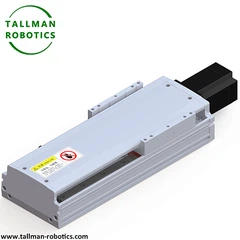


Calibrating a parallel electric gripper is a crucial process that ensures its optimal performance and accuracy in various industrial applications. As a supplier of parallel electric grippers, I understand the significance of calibration in maximizing the efficiency and reliability of these devices. In this blog post, I will guide you through the step-by-step process of calibrating a parallel electric gripper, highlighting best practices and common pitfalls to avoid.
Understanding the Basics of a Parallel Electric Gripper
Before delving into the calibration process, it's essential to have a clear understanding of how a parallel electric gripper works. A parallel electric gripper is a type of robotic end-effector designed to grasp and hold objects with parallel jaws. It is powered by an electric motor, which drives the jaws to open and close with precision. The gripper's performance is influenced by several factors, including its mechanical design, control system, and the quality of its components.
Why Calibration is Necessary
Calibration is the process of adjusting and fine-tuning a device to ensure its accuracy and performance meet the specified standards. In the case of a parallel electric gripper, calibration is necessary for several reasons:
- Accuracy: Calibration ensures that the gripper's jaws open and close to the exact positions required for a given application. This is crucial for tasks that require precise gripping and handling of objects.
- Repeatability: A calibrated gripper can consistently reproduce the same gripping force and position, which is essential for high-volume production processes.
- Safety: Proper calibration helps prevent overloading and damage to the gripper and the objects it handles, ensuring a safe working environment.
- Compatibility: Calibration ensures that the gripper is compatible with other components of the robotic system, such as the robot arm and the control system.
Step-by-Step Guide to Calibrating a Parallel Electric Gripper
The calibration process for a parallel electric gripper typically involves the following steps:
Step 1: Prepare the Gripper
Before starting the calibration process, ensure that the gripper is clean, free of debris, and properly installed on the robot arm. Check the gripper's mechanical components for any signs of wear or damage, and replace any faulty parts if necessary.
Step 2: Initialize the Gripper
Most parallel electric grippers come with a built-in initialization procedure that sets the gripper's zero position and maximum opening width. Follow the manufacturer's instructions to initialize the gripper, which may involve pressing a specific button or using a software interface.
Step 3: Set the Gripping Force
The gripping force is the amount of pressure applied by the gripper's jaws to hold an object. To set the gripping force, you will need to use a force sensor or a load cell. Place a test object between the gripper's jaws and gradually increase the gripping force until the object is securely held. Record the gripping force value and adjust it as needed for your specific application.
Step 4: Calibrate the Position
To calibrate the position of the gripper's jaws, you will need to use a position sensor or a measuring device. Move the gripper's jaws to a known position and measure the actual position using the sensor or device. Compare the measured position with the desired position and adjust the gripper's settings accordingly. Repeat this process for multiple positions to ensure accurate calibration across the entire range of motion.
Step 5: Test the Gripper
Once the calibration process is complete, test the gripper to ensure that it is functioning correctly. Place a test object between the gripper's jaws and verify that the gripping force and position are within the specified limits. Repeat the test with different objects and positions to ensure consistent performance.
Best Practices for Calibrating a Parallel Electric Gripper
To ensure accurate and reliable calibration of your parallel electric gripper, consider the following best practices:


- Follow the Manufacturer's Instructions: Always refer to the manufacturer's calibration guide and instructions for your specific gripper model. The manufacturer's guidelines will provide detailed information on the calibration process, including the recommended tools and procedures.
- Use High-Quality Tools and Equipment: Invest in high-quality force sensors, position sensors, and measuring devices to ensure accurate calibration. Using low-quality tools can lead to inaccurate measurements and calibration errors.
- Perform Regular Calibration: Calibration is not a one-time process. It is recommended to perform regular calibration of your parallel electric gripper to ensure consistent performance over time. The frequency of calibration will depend on the usage and operating conditions of the gripper.
- Document the Calibration Process: Keep a detailed record of the calibration process, including the date, time, calibration values, and any adjustments made. This documentation will help you track the performance of the gripper and identify any potential issues.
Common Pitfalls to Avoid
When calibrating a parallel electric gripper, there are several common pitfalls that you should avoid:
- Overloading the Gripper: Applying too much gripping force can damage the gripper's jaws and reduce its lifespan. Always use the recommended gripping force for your specific application.
- Inaccurate Measurements: Using inaccurate measuring tools or techniques can lead to calibration errors. Make sure to use high-quality tools and follow the correct measurement procedures.
- Ignoring the Environment: The operating environment can affect the performance of the gripper. Factors such as temperature, humidity, and vibration can cause the gripper to drift out of calibration. Consider these factors when calibrating the gripper and take appropriate measures to minimize their impact.
- Not Testing the Gripper: Failing to test the gripper after calibration can result in undetected calibration errors. Always test the gripper to ensure that it is functioning correctly before using it in a production environment.
Conclusion
Calibrating a parallel electric gripper is a critical process that ensures its optimal performance and accuracy in various industrial applications. By following the step-by-step guide and best practices outlined in this blog post, you can calibrate your parallel electric gripper with confidence and achieve consistent results. If you have any questions or need further assistance with calibrating your parallel electric gripper, please don't hesitate to [contact us for procurement and further discussion].
Additional Resources
- Flexible Robot Gripper: Learn more about our flexible robot grippers and their applications.
- Servo Electric Gripper: Explore our range of servo electric grippers and their features.
- Motion Control System: Discover our advanced motion control systems for parallel electric grippers.
References
- Manufacturer's calibration guide for parallel electric grippers.
- Industry standards and best practices for robotic end-effector calibration.


