
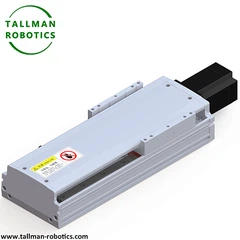


What materials are used to make an Indexer With Cam Drive?
In the world of industrial machinery, indexers with cam drives play a crucial role in various applications, from packaging and assembly lines to automation systems. As a leading supplier of indexers with cam drives, I am often asked about the materials used in their construction. Understanding the materials is essential for ensuring the performance, durability, and reliability of these precision components. In this blog post, I will delve into the key materials commonly used to make an indexer with a cam drive.
1. Steel
Steel is one of the most widely used materials in the construction of indexers with cam drives. Its popularity stems from its excellent mechanical properties, including high strength, hardness, and wear resistance. Depending on the specific requirements of the indexer, different types of steel may be used.
- Carbon Steel: Carbon steel is a common choice for general-purpose indexers. It contains varying amounts of carbon, which affects its strength and hardness. Low-carbon steel is relatively soft and ductile, making it suitable for components that require machining and forming. Medium-carbon steel offers a good balance of strength and toughness, while high-carbon steel is extremely hard and wear-resistant, ideal for components subjected to heavy loads and high stress.
- Alloy Steel: Alloy steel is produced by adding specific alloying elements such as chromium, nickel, molybdenum, and vanadium to carbon steel. These alloying elements enhance the steel's properties, such as corrosion resistance, heat resistance, and fatigue strength. Alloy steel is often used in high-performance indexers that operate in harsh environments or under demanding conditions.
2. Cast Iron
Cast iron is another material commonly used in the manufacturing of indexer components. It is known for its good castability, excellent damping properties, and low cost. There are different types of cast iron, each with its own unique characteristics.
- Gray Cast Iron: Gray cast iron is the most common type of cast iron used in indexer construction. It has a graphite microstructure that gives it good machinability, vibration damping, and thermal conductivity. Gray cast iron is often used for the housing and base of the indexer, as it can effectively absorb and dissipate vibrations generated during operation.
- Ductile Cast Iron: Ductile cast iron, also known as nodular cast iron, has improved mechanical properties compared to gray cast iron. It contains small amounts of magnesium, which causes the graphite to form in spherical nodules rather than flakes. This results in higher ductility, toughness, and impact resistance. Ductile cast iron is suitable for components that require high strength and reliability, such as the camshaft and rollers.
3. Aluminum
Aluminum is a lightweight and corrosion-resistant material that is increasingly being used in the design of indexers with cam drives. Its low density makes it ideal for applications where weight reduction is a critical factor, such as in robotic systems and high-speed machinery.
- Aluminum Alloys: Aluminum alloys are commonly used in indexer construction due to their excellent strength-to-weight ratio and good machinability. These alloys can be easily fabricated into complex shapes using various machining processes, such as milling, turning, and drilling. Some aluminum alloys also offer good corrosion resistance, making them suitable for use in wet or corrosive environments.
- Die-Cast Aluminum: Die-casting is a manufacturing process that involves injecting molten aluminum into a mold cavity under high pressure. This process allows for the production of complex and precise indexer components with high dimensional accuracy and smooth surface finish. Die-cast aluminum components are often used in the housing and cover of the indexer, providing a lightweight and cost-effective solution.
4. Brass and Bronze
Brass and bronze are copper-based alloys that are known for their excellent corrosion resistance, low friction, and good machinability. These materials are commonly used in the manufacturing of bearings, bushings, and other components that require smooth and reliable operation.


- Brass: Brass is an alloy of copper and zinc, with varying amounts of other elements added to improve its properties. It has good corrosion resistance, high ductility, and low friction, making it suitable for applications where sliding or rotating motion is involved. Brass is often used for the cam followers and other small components in the indexer.
- Bronze: Bronze is an alloy of copper and tin, with other elements such as aluminum, manganese, or nickel added to enhance its properties. It has higher strength and hardness than brass, as well as better wear resistance and anti-seizure properties. Bronze is commonly used for the bearings and bushings in the indexer, providing smooth and reliable operation even under heavy loads.
5. Plastics
Plastics are increasingly being used in the construction of indexer components due to their unique properties, such as low weight, high chemical resistance, and self-lubricating characteristics. There are different types of plastics that can be used in indexer design, depending on the specific application requirements.
- Polyurethane: Polyurethane is a versatile plastic that offers excellent abrasion resistance, high elasticity, and good chemical resistance. It is often used for the cam followers and other components that require impact absorption and reduced noise during operation.
- Polycarbonate: Polycarbonate is a strong and transparent plastic that has good impact resistance and dimensional stability. It is commonly used for the covers and shields of the indexer, providing protection for the internal components while allowing for easy visualization.
- Acetal: Acetal, also known as polyoxymethylene (POM), is a high-performance plastic that offers excellent mechanical properties, including high stiffness, low friction, and good wear resistance. It is often used for the gears, bearings, and other precision components in the indexer.
Conclusion
In conclusion, the materials used to make an indexer with a cam drive play a crucial role in its performance, durability, and reliability. By carefully selecting the appropriate materials based on the specific application requirements, manufacturers can ensure that their indexers meet the highest standards of quality and efficiency. At our company, we are committed to using the best materials and advanced manufacturing techniques to produce high-performance indexers with cam drives that meet the needs of our customers. If you are interested in purchasing an indexer with a cam drive or have any questions about our products, please feel free to contact us for more information. Our team of experts is always ready to assist you in finding the right solution for your application.
References
- Callister, W. D., & Rethwisch, D. G. (2016). Materials Science and Engineering: An Introduction. Wiley.
- ASM Handbook Committee. (1990). ASM Handbook Volume 1: Properties and Selection: Irons, Steels, and High-Performance Alloys. ASM International.
- Plastics Engineering Handbook. (2008). Carl Hanser Verlag.


