

In the fast - paced world of electronic manufacturing, the demand for highly precise, efficient, and reliable equipment is constantly escalating. As a supplier of linear motors, I'm often asked the question: "Can linear motors be used in electronic manufacturing equipment?" The answer is a resounding yes, and in this blog, I'll delve into the reasons why linear motors are an excellent fit for the electronic manufacturing industry.
The Basics of Linear Motors
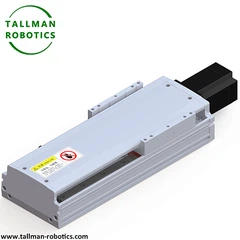
Before we explore their applications in electronic manufacturing, let's briefly understand what linear motors are. A linear motor is an electric motor that has been "unrolled" so that, instead of producing a torque (rotation), it produces a linear force along its length. There are different types of linear motors, including the Industrial Linear Motor System, Linear Electromagnetic Actuator, and Linear Induction Motor.
The working principle of linear motors is based on the interaction between magnetic fields. When an electric current is passed through the coils in the motor, a magnetic field is generated. This magnetic field interacts with the magnetic field of permanent magnets (in some types) or induced magnetic fields (in induction motors) to create a linear force. This force enables the direct conversion of electrical energy into linear motion without the need for complex mechanical transmissions such as gears, belts, or lead screws.
Advantages of Linear Motors in Electronic Manufacturing
High Precision
One of the primary requirements in electronic manufacturing is precision. Components such as microchips, printed circuit boards (PCBs), and small electronic sensors need to be assembled and processed with extremely high accuracy. Linear motors offer exceptional positioning accuracy, often in the range of micrometers. Their direct - drive nature eliminates the backlash and compliance issues associated with traditional mechanical transmission systems. This means that the linear motors can move components or tools with very high repeatability, ensuring that each manufacturing step is carried out with the same high level of precision.
High Speed
The electronics industry is characterized by high - volume production. To meet production targets, equipment needs to operate at high speeds. Linear motors can achieve significantly higher speeds compared to traditional motor - driven systems. They can accelerate and decelerate rapidly, reducing the cycle time of manufacturing processes. For example, in pick - and - place machines used for assembling electronic components on PCBs, linear motors can move the picking head quickly and accurately between different component locations and the PCB, increasing the throughput of the production line.
Low Maintenance
Traditional mechanical transmission systems require regular maintenance such as lubrication, belt replacement, and gear inspection. In contrast, linear motors have fewer moving parts, which significantly reduces the need for maintenance. The lack of mechanical contact in the drive mechanism (in some linear motor designs) also means less wear and tear, leading to longer service life and lower operating costs. This is particularly important in electronic manufacturing facilities where downtime can have a significant impact on production and profitability.
Clean Operation
Many electronic manufacturing processes, especially those involving the production of high - precision components, require a clean environment. Linear motors are often a better choice in such settings because they do not generate dust or debris from mechanical parts like gears do. This makes them suitable for use in cleanrooms, where contamination can damage delicate electronic components.
Applications of Linear Motors in Electronic Manufacturing Equipment
Pick - and - Place Machines
Pick - and - place machines are widely used in the electronics industry to pick up electronic components from a feeder and place them accurately on a PCB. Linear motors provide the high - speed and high - precision linear motion required for this process. They can move the component - picking head quickly and precisely to the correct positions on the PCB, ensuring that components are placed with the right orientation and alignment.
PCB Drilling and Milling Machines
In the production of PCBs, drilling and milling operations are crucial for creating holes and traces. Linear motors can drive the drill or milling head with high precision and speed. They can control the depth and position of the holes accurately, which is essential for the proper functioning of the PCB. The high - speed capabilities of linear motors also enable faster processing times, increasing the production efficiency of PCB manufacturing facilities.
Semiconductor Wafer Handling Systems
Semiconductor wafers are the base materials for making microchips. They need to be handled with extreme care during the manufacturing process. Linear motors are used in wafer handling systems to move wafers between different processing stations. Their high - precision positioning ensures that the wafers are placed correctly in each machine, reducing the risk of damage and improving the yield of high - quality semiconductors.
Laser Cutting and Marking Equipment
Laser cutting and marking are used in electronic manufacturing to cut and mark PCBs, electronic enclosures, and other components. Linear motors are used to move the laser head across the workpiece with high precision. They can control the speed and position of the laser beam accurately, allowing for intricate cutting and marking patterns on electronic components.
Case Studies
Let's take a look at some real - world examples of how linear motors have been successfully used in electronic manufacturing. A major electronics manufacturer was struggling with the slow speed and low precision of their traditional pick - and - place machines. After replacing the existing drive systems with linear motors, they experienced a significant increase in production speed. The cycle time of the pick - and - place process was reduced by 30%, and the positioning accuracy was improved from ±0.1 mm to ±0.05 mm. This led to higher production volumes and a decrease in the number of defective products.
Another example is a PCB manufacturing company. They installed linear motors in their drilling machines. The high - speed and high - precision capabilities of the linear motors allowed them to drill holes more quickly and accurately. As a result, they were able to increase the throughput of their PCB production line by 25% and improve the quality of the drilled holes, meeting the strict requirements of their customers more easily.


Challenges and Considerations
While linear motors offer many advantages for electronic manufacturing, there are also some challenges that need to be considered. One of the main challenges is the initial cost. Linear motors can be more expensive to purchase and install compared to traditional motor - driven systems. However, it's important to consider the long - term benefits, such as reduced maintenance costs and increased production efficiency, which can offset the initial investment.
Another consideration is the control system. Linear motors require sophisticated control algorithms to achieve optimal performance. Ensuring that the control system is properly configured and tuned is essential for maximizing the precision and speed of the linear motor.
Conclusion
In conclusion, linear motors are a highly suitable option for use in electronic manufacturing equipment. Their high precision, high speed, low maintenance, and clean operation make them an excellent choice for a wide range of applications in the electronics industry. Whether it's pick - and - place machines, PCB drilling and milling machines, semiconductor wafer handling systems, or laser cutting and marking equipment, linear motors can significantly improve the performance and efficiency of electronic manufacturing processes.
If you're in the electronics manufacturing industry and are looking to upgrade your equipment or are in the process of designing new machinery, I highly recommend considering linear motors. As a supplier of linear motors, I have the expertise and the product range to meet your specific needs. I invite you to get in touch for a detailed discussion about how our linear motors can enhance your manufacturing operations. Whether it's finding the right type of linear motor for your application or providing technical support, we're here to help you make the most of this advanced technology.
References
- Kuo, Benjamin C. K. "Electric Machines and Drives: A Laboratory Course." WILEY - IEEE PRESS, 2006.
- Fitzgerald, A. E., Kingsley Jr, C., & Umans, S. D. "Electric Machinery." McGraw - Hill Education, 2003.