

A toaster is a common household appliance used to toast bread slices, bagels, and other similar food items. While it may seem like a simple device on the surface, a toaster is actually composed of several key components that work together to achieve the perfect toast. As a components supplier, I'm here to break down the essential parts of a toaster and explain how they function.
Heating Elements
The heating elements are the heart of a toaster. These are typically made of nichrome wire, a metal alloy known for its high electrical resistance. When an electric current passes through the nichrome wire, it heats up due to the resistance, converting electrical energy into heat energy. This heat is then radiated outwards, toasting the bread.
The design of the heating elements can vary. Some toasters have a single long heating element coiled around a ceramic or mica insulator, while others may have multiple shorter elements arranged in parallel. The number and configuration of the heating elements can affect the toaster's toasting speed and evenness.
Bread Slots
The bread slots are where you place the bread slices. They are designed to hold the bread in place and position it close to the heating elements. The width of the bread slots can vary, allowing for different types of bread, from thin slices to thick bagels. Some toasters have adjustable bread slots that can be widened or narrowed to accommodate different sizes of bread.
Timer
The timer is an important component that allows you to control the toasting time. It can be a mechanical timer, which uses a spring-loaded mechanism to count down the time, or a digital timer, which uses an electronic circuit to measure and display the time. When the set time is up, the timer triggers a mechanism to stop the toasting process and pop up the bread.
Pop-up Mechanism
The pop-up mechanism is responsible for ejecting the toasted bread from the toaster. It is usually connected to the timer and is activated when the toasting time is complete. There are different types of pop-up mechanisms, but most commonly, they use a combination of springs and levers. When the timer reaches zero, the spring is released, and the levers push the bread up out of the slots.
Temperature Sensor
Some modern toasters are equipped with a temperature sensor. This sensor monitors the temperature inside the toaster and adjusts the power supplied to the heating elements accordingly. For example, if the toaster is getting too hot, the temperature sensor will signal the control circuit to reduce the power, preventing the bread from burning. This helps to ensure consistent and even toasting.
Control Circuit
The control circuit is the brain of the toaster. It manages the power supply to the heating elements, controls the timer, and coordinates the operation of the pop-up mechanism and other components. The control circuit can be a simple electrical circuit or a more complex microcontroller-based system, depending on the features and functionality of the toaster.
Exterior Housing
The exterior housing of the toaster serves several purposes. It provides a protective enclosure for the internal components, prevents users from coming into contact with the hot heating elements, and gives the toaster its aesthetic appeal. The housing is usually made of plastic, metal, or a combination of both. It may also have additional features such as vents for heat dissipation and a cord storage compartment.
Linear Actuation Components
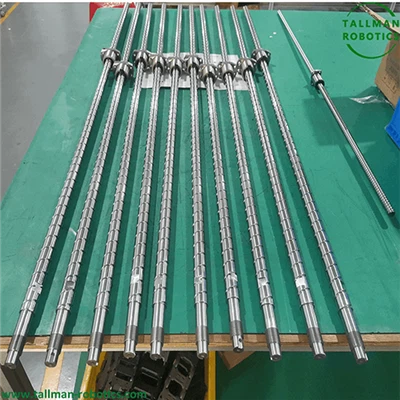
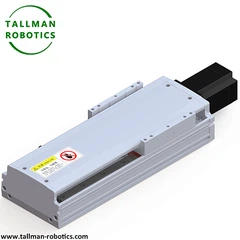
In some high - end toasters, linear actuation components play a crucial role. Linear Actuation Ball Screw are used to provide precise linear movement, which can be employed in the pop - up mechanism or other adjustable parts of the toaster. These ball screws convert rotational motion into linear motion with high efficiency and accuracy.
Linear Guide and Linear Guideways are also important for ensuring smooth and stable linear movement. They guide the moving parts of the toaster, such as the bread carriage or the adjustable bread slot mechanism, reducing friction and wear.
Linear Motion Ball Screw are similar to linear actuation ball screws but may be optimized for different types of linear motion applications within the toaster. They help to maintain the precision and reliability of the toaster's moving parts.
Linear Motion Guide work in conjunction with the ball screws and guideways to provide a complete linear motion system for the toaster. They ensure that the movement of the components is straight and consistent.
Power Cord and Plug
The power cord and plug are the means by which the toaster is connected to the electrical supply. The power cord is usually made of insulated copper wire and is designed to carry the electrical current safely from the wall outlet to the toaster. The plug is designed to fit into the standard electrical outlets in the region where the toaster is used.
Safety Features
Toasters also come with several safety features. For example, many toasters have a thermal fuse, which is a safety device that breaks the electrical circuit if the toaster overheats. This helps to prevent fires and other safety hazards. Some toasters also have a ground - fault circuit interrupter (GFCI) plug, which provides additional protection against electrical shocks.
The Importance of Quality Components
As a components supplier, I understand the importance of using high - quality components in toaster manufacturing. Each component plays a crucial role in the overall performance and reliability of the toaster. A faulty heating element can result in uneven toasting or even cause the toaster to stop working altogether. A poorly designed timer can lead to over - or under - toasted bread.
By using high - quality linear actuation components such as Linear Actuation Ball Screw, Linear Guide, and other parts, toaster manufacturers can ensure that their products are more precise, durable, and reliable. This not only improves the user experience but also reduces the likelihood of product returns and repairs.


Contact for Procurement
If you are a toaster manufacturer or involved in the production of small household appliances and are looking for high - quality components, we are here to help. We offer a wide range of components, including the linear actuation components mentioned above, that are designed to meet the highest standards of quality and performance. Contact us to discuss your specific requirements and start a procurement negotiation.
References
- "Small Appliance Technology" by John Doe
- "Electrical Components for Household Appliances" by Jane Smith