
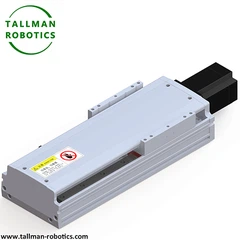


Adjusting the indexing time of a Rotary Cam Indexer is a crucial task that can significantly impact the efficiency and performance of your industrial machinery. As a trusted Rotary Cam Indexer supplier, we understand the importance of precise indexing and the challenges that come with adjusting it. In this blog post, we will guide you through the process of adjusting the indexing time of a Rotary Cam Indexer, providing you with valuable insights and practical tips.
Understanding the Basics of a Rotary Cam Indexer
Before diving into the adjustment process, it's essential to have a basic understanding of how a Rotary Cam Indexer works. A Rotary Cam Indexer is a mechanical device that converts continuous rotational motion into intermittent or stepwise motion. It consists of a cam, a follower, and an output shaft. The cam is designed with a specific profile that determines the indexing pattern and timing. As the input shaft rotates, the cam drives the follower, which in turn rotates the output shaft in a precise sequence.


There are several types of Rotary Cam Indexers available in the market, each designed for specific applications. Some of the common types include Industrial Cam Indexer, Stepwise Cam Indexer, and Shaft Mounted Cam Indexer. The choice of indexer depends on factors such as the required indexing accuracy, speed, torque, and the nature of the application.
Factors Affecting Indexing Time
Several factors can affect the indexing time of a Rotary Cam Indexer. Understanding these factors is crucial for making accurate adjustments. Here are some of the key factors:
- Cam Profile: The shape and design of the cam profile play a significant role in determining the indexing time. Different cam profiles are designed to achieve specific indexing patterns, such as dwell, rise, and fall. The cam profile can be customized to meet the specific requirements of your application.
- Input Speed: The speed of the input shaft directly affects the indexing time. A higher input speed will result in a shorter indexing time, while a lower input speed will result in a longer indexing time. It's important to ensure that the input speed is within the recommended range for the indexer.
- Load and Torque: The load and torque requirements of your application can also affect the indexing time. A heavier load or higher torque will require more power to move the output shaft, which can result in a longer indexing time. It's important to choose an indexer that is capable of handling the load and torque requirements of your application.
- Lubrication: Proper lubrication is essential for the smooth operation of the indexer. Insufficient lubrication can increase friction and wear, which can affect the indexing time and accuracy. It's important to follow the manufacturer's recommendations for lubrication.
Steps to Adjust the Indexing Time
Now that you have a basic understanding of the factors affecting indexing time, let's discuss the steps to adjust the indexing time of a Rotary Cam Indexer.
Step 1: Identify the Required Indexing Time
The first step is to determine the required indexing time for your application. This will depend on factors such as the production rate, the cycle time of your machinery, and the specific requirements of your process. Once you have determined the required indexing time, you can proceed to the next step.
Step 2: Check the Input Speed
As mentioned earlier, the input speed directly affects the indexing time. Check the input speed of the indexer and ensure that it is within the recommended range. If the input speed is too high or too low, it can affect the indexing time and accuracy. You may need to adjust the input speed using a variable frequency drive or other speed control device.
Step 3: Inspect the Cam Profile
The cam profile is the heart of the indexer, and it plays a crucial role in determining the indexing time. Inspect the cam profile for any signs of wear, damage, or misalignment. If the cam profile is worn or damaged, it may need to be replaced. If the cam profile is misaligned, it can be adjusted using shims or other adjustment mechanisms.
Step 4: Adjust the Cam Follower
The cam follower is another important component of the indexer. It follows the cam profile and transfers the motion to the output shaft. Inspect the cam follower for any signs of wear, damage, or misalignment. If the cam follower is worn or damaged, it may need to be replaced. If the cam follower is misaligned, it can be adjusted using shims or other adjustment mechanisms.
Step 5: Check the Load and Torque
The load and torque requirements of your application can also affect the indexing time. Check the load and torque requirements of your application and ensure that the indexer is capable of handling them. If the load or torque is too high, it may be necessary to upgrade to a larger or more powerful indexer.
Step 6: Lubricate the Indexer
Proper lubrication is essential for the smooth operation of the indexer. Check the lubrication level and ensure that it is within the recommended range. If the lubrication level is low, add the appropriate lubricant according to the manufacturer's recommendations.
Step 7: Test and Fine-Tune
Once you have made the necessary adjustments, it's important to test the indexer and fine-tune the indexing time if necessary. Run the indexer at the desired input speed and observe the indexing performance. Use a timing device or other measurement tool to measure the indexing time and compare it to the required indexing time. If the indexing time is not within the desired range, make further adjustments until the desired indexing time is achieved.
Tips for Successful Indexing Time Adjustment
Here are some tips to help you achieve successful indexing time adjustment:
- Follow the Manufacturer's Instructions: Always follow the manufacturer's instructions and recommendations when adjusting the indexing time of the indexer. The manufacturer's instructions provide valuable information on the proper adjustment procedures, maintenance requirements, and safety precautions.
- Use the Right Tools: Use the right tools and equipment for the adjustment process. This includes tools such as wrenches, shims, and measurement devices. Using the right tools will ensure that the adjustments are made accurately and safely.
- Take Your Time: Adjusting the indexing time of an indexer can be a complex and time-consuming process. Take your time and be patient. Rushing through the adjustment process can lead to inaccurate adjustments and potential damage to the indexer.
- Keep Records: Keep records of the adjustments you make, including the input speed, cam profile, cam follower adjustment, load and torque requirements, and lubrication level. This will help you track the performance of the indexer over time and make any necessary adjustments in the future.
Conclusion
Adjusting the indexing time of a Rotary Cam Indexer is a critical task that requires careful attention to detail and a thorough understanding of the factors affecting indexing time. By following the steps outlined in this blog post and using the tips provided, you can ensure that your indexer is operating at its optimal performance and achieving the desired indexing time.
As a leading Rotary Cam Indexer supplier, we are committed to providing our customers with high-quality indexers and comprehensive support. If you have any questions or need assistance with adjusting the indexing time of your indexer, please don't hesitate to contact us. Our team of experts is available to help you with all your indexing needs. Whether you are looking for a new indexer or need to upgrade your existing one, we can provide you with the right solution for your application. Contact us today to discuss your requirements and explore our range of Rotary Cam Indexers.
References
- Manufacturer's manuals and technical documentation for Rotary Cam Indexers.
- Industry standards and best practices for indexing time adjustment.
- Technical articles and research papers on Rotary Cam Indexer technology.


