

Hey there! As a ball screws supplier, I've seen firsthand how crucial it is to keep these components in top - notch condition. Ball screws are essential in a wide range of industries, from manufacturing to robotics. They're used to convert rotational motion into linear motion with high efficiency. But like any mechanical part, they need proper maintenance to perform at their best and have a long lifespan.
1. Regular Cleaning
One of the most basic yet important steps in maintaining ball screws is regular cleaning. Dust, debris, and other contaminants can find their way into the ball screw system. These particles can cause abrasion, which wears down the balls and the screw shaft over time.
To clean a ball screw, start by shutting down the equipment and disconnecting the power source. Use a soft, lint - free cloth to wipe away any visible dirt on the surface of the screw. For more stubborn grime, you can use a mild solvent recommended by the ball screw manufacturer. But be careful not to use anything too harsh that could damage the coating or the material of the screw.
After cleaning, make sure to dry the ball screw thoroughly. Moisture can lead to rust and corrosion, which are big no - nos for ball screws. You can use compressed air to blow out any remaining moisture in hard - to - reach areas.
2. Lubrication
Lubrication is another key aspect of ball screw maintenance. A well - lubricated ball screw reduces friction between the balls and the screw shaft, which in turn improves efficiency and reduces wear.
There are different types of lubricants available for ball screws, such as grease and oil. Grease is a popular choice because it stays in place better and provides long - term lubrication. However, it needs to be replaced periodically as it can break down over time.
When applying lubricant, follow the manufacturer's guidelines. Over - lubrication can be just as bad as under - lubrication. Too much lubricant can attract dirt and debris, which can cause problems. You should apply the lubricant evenly along the length of the ball screw.
3. Inspection
Regular inspection is vital to catch any potential issues before they turn into major problems. You should visually inspect the ball screw for signs of wear, such as scratches, dents, or pitting on the surface of the screw shaft or the balls.


Check the nut for any signs of damage or excessive play. Excessive play can indicate that the balls are worn out or that there's a problem with the pre - load. You can use a dial indicator to measure the play in the ball screw assembly.
Inspect the seals as well. Seals are there to keep contaminants out and lubricant in. If the seals are damaged, they won't be able to do their job effectively, and it can lead to premature failure of the ball screw.
4. Alignment
Proper alignment of the ball screw is crucial for its performance and longevity. Misalignment can cause uneven loading on the balls and the screw shaft, leading to premature wear.
When installing a ball screw, make sure it's aligned correctly with the motor, the load, and other components in the system. Use alignment tools, such as laser alignment systems, to ensure accurate alignment.
If you notice any vibration or unusual noise during operation, it could be a sign of misalignment. In such cases, stop the equipment immediately and check the alignment.
5. Handling and Storage
How you handle and store ball screws also affects their condition. When transporting ball screws, make sure they're properly packaged to prevent damage. Avoid dropping or hitting the ball screws, as this can cause internal damage that may not be visible immediately.
When storing ball screws, keep them in a clean, dry environment. If possible, store them in a vertical position to prevent deformation. Also, make sure to protect them from dust and moisture by covering them with a suitable protective cover.
Why Maintenance Matters
Maintaining ball screws isn't just about keeping them running smoothly; it's also about saving money in the long run. A well - maintained ball screw has a longer lifespan, which means you won't have to replace it as often. This reduces the cost of replacement parts and the downtime associated with replacing a failed ball screw.
In addition, a properly maintained ball screw operates more efficiently. This can lead to energy savings, especially in applications where the ball screw is used continuously.
Our Ball Screw Products
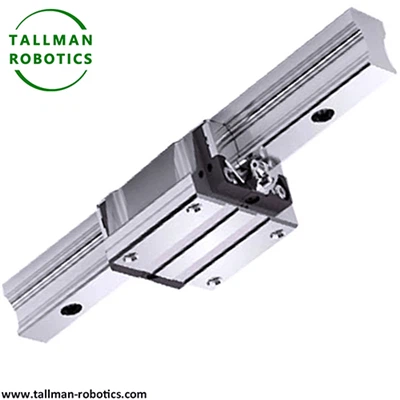
We offer a wide range of high - quality ball screws, including Linear Actuation Ball Screw, Linear Motion Ball Screw, and Ball Screw Drive. Our ball screws are designed to meet the highest standards of quality and performance.
If you're in the market for ball screws or need advice on ball screw maintenance, we're here to help. Our team of experts has years of experience in the industry and can provide you with the best solutions for your specific needs.
Conclusion
Maintaining ball screws is a combination of regular cleaning, proper lubrication, inspection, alignment, and careful handling and storage. By following these steps, you can ensure that your ball screws perform at their best and have a long service life.
If you have any questions about ball screw maintenance or are interested in purchasing our ball screw products, don't hesitate to reach out. We're always happy to assist you in finding the right ball screws for your application and guiding you through the maintenance process.
References
- "Ball Screw Handbook" by a well - known ball screw manufacturer
- Industry - specific technical manuals on linear motion systems
- Research papers on the performance and maintenance of ball screws