
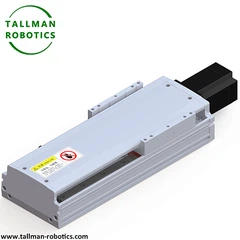


Corrosion is a common and troublesome issue that can significantly impact the performance and lifespan of cam indexers. As a trusted cam indexer supplier, we understand the importance of preventing corrosion to ensure the optimal functioning of these critical components. In this blog, we will explore various effective strategies to prevent the corrosion of cam indexers.
Understanding the Causes of Corrosion in Cam Indexers
Before delving into prevention methods, it's essential to understand what causes corrosion in cam indexers. Corrosion is essentially a chemical reaction between a metal surface and its surrounding environment. In the case of cam indexers, several factors can contribute to this reaction:
- Moisture and Humidity: Exposure to high levels of moisture, whether through direct contact with water or high humidity in the air, is one of the primary causes of corrosion. Water can act as an electrolyte, facilitating the flow of electrons and accelerating the corrosion process.
- Chemicals and Contaminants: Industrial environments often contain various chemicals, such as acids, alkalis, and salts. These substances can react with the metal surfaces of cam indexers, leading to corrosion. Additionally, dust and other contaminants can trap moisture on the surface, further promoting corrosion.
- Temperature Fluctuations: Extreme temperature changes can cause condensation on the surface of cam indexers. This moisture can then initiate the corrosion process. Moreover, high temperatures can accelerate chemical reactions, increasing the rate of corrosion.
Selecting the Right Materials
One of the fundamental steps in preventing corrosion is choosing the appropriate materials for cam indexers. Different metals have varying levels of resistance to corrosion. Here are some commonly used materials and their corrosion resistance properties:
- Stainless Steel: Stainless steel is a popular choice for cam indexers due to its excellent corrosion resistance. It contains chromium, which forms a thin, protective oxide layer on the surface. This layer prevents oxygen and moisture from reaching the underlying metal, thus inhibiting corrosion. There are different grades of stainless steel, and the choice depends on the specific application and environmental conditions. For example, in highly corrosive environments, a grade with a higher chromium and nickel content may be more suitable.
- Aluminum Alloys: Aluminum alloys are lightweight and have good corrosion resistance. They form a natural oxide layer on the surface, which provides some protection against corrosion. However, this layer can be damaged by certain chemicals or abrasive materials. To enhance the corrosion resistance of aluminum cam indexers, they can be anodized, a process that thickens the oxide layer.
Protective Coatings
Applying protective coatings is an effective way to prevent corrosion in cam indexers. These coatings act as a barrier between the metal surface and the corrosive environment. Here are some common types of protective coatings:
- Paint Coatings: Paint is a widely used protective coating for cam indexers. It can provide a physical barrier against moisture, chemicals, and contaminants. There are different types of paints available, such as epoxy paints, polyurethane paints, and acrylic paints. Each type has its own advantages and is suitable for different applications. For example, epoxy paints are known for their excellent adhesion and chemical resistance, making them ideal for industrial environments.
- Galvanizing: Galvanizing is a process of coating steel or iron with a layer of zinc. Zinc is more reactive than steel, so it acts as a sacrificial anode. When the zinc layer is exposed to a corrosive environment, it corrodes first, protecting the underlying steel. Galvanized cam indexers are commonly used in outdoor or high - humidity environments.
- Powder Coating: Powder coating is a dry finishing process that involves applying a fine powder to the surface of the cam indexer. The powder is then heated, melting and forming a smooth, durable coating. Powder coatings offer excellent corrosion resistance, as well as good abrasion and impact resistance. They are available in a wide range of colors and finishes.
Proper Installation and Maintenance
Proper installation and regular maintenance are crucial for preventing corrosion in cam indexers. Here are some important considerations:


- Installation in a Suitable Environment: Cam indexers should be installed in a clean, dry, and well - ventilated environment. Avoid installing them in areas prone to water splashing, high humidity, or chemical exposure. If possible, use enclosures or covers to protect the cam indexers from the elements.
- Regular Cleaning: Regular cleaning helps remove dirt, dust, and contaminants from the surface of cam indexers. Use a mild detergent and a soft cloth to clean the surface. Avoid using abrasive cleaners or tools that can damage the protective coating. After cleaning, dry the cam indexer thoroughly to prevent moisture from remaining on the surface.
- Lubrication: Proper lubrication is essential for the smooth operation of cam indexers and can also help prevent corrosion. Use a high - quality lubricant that is resistant to water and oxidation. Lubrication not only reduces friction but also forms a thin film on the metal surface, protecting it from corrosion.
Monitoring and Inspection
Regular monitoring and inspection of cam indexers can help detect early signs of corrosion. Here are some inspection methods:
- Visual Inspection: Conduct a visual inspection of the cam indexer regularly. Look for signs of rust, discoloration, or pitting on the surface. If any signs of corrosion are detected, take immediate action to prevent further damage.
- Non - Destructive Testing: Non - destructive testing methods, such as ultrasonic testing and magnetic particle testing, can be used to detect internal corrosion or defects in the cam indexer. These methods are non - invasive and can provide valuable information about the condition of the component.
Conclusion
Preventing corrosion in cam indexers is essential for maintaining their performance and extending their lifespan. By understanding the causes of corrosion, selecting the right materials, applying protective coatings, ensuring proper installation and maintenance, and conducting regular monitoring and inspection, we can effectively prevent corrosion and ensure the reliable operation of cam indexers.
As a cam indexer supplier, we offer a wide range of high - quality cam indexers, including Plate Cam Indexer, Intermittent Cam Indexer, and Cam Driven Indexing Unit. Our products are designed to meet the diverse needs of our customers and are built to withstand harsh environments. If you are interested in our cam indexers or have any questions about corrosion prevention, please feel free to contact us for further discussion and potential procurement.
References
- ASM Handbook Volume 13A: Corrosion: Fundamentals, Testing, and Protection. ASM International.
- Metals Handbook Desk Edition, Third Edition. ASM International.
- Corrosion Engineering Handbook, Second Edition. McGraw - Hill.


