
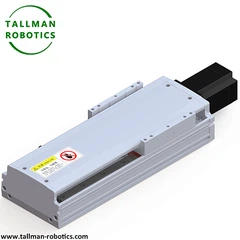


Selecting the right linear electric cylinder for a robotic arm is a critical decision that can significantly impact the performance, efficiency, and reliability of your robotic system. As a trusted supplier of linear electric cylinders, we understand the complexities involved in this process. In this blog, we will guide you through the key factors to consider when choosing a linear electric cylinder for your robotic arm.
Understanding the Basics of Linear Electric Cylinders
Before delving into the selection process, it's essential to understand what linear electric cylinders are. Linear electric cylinders, also known as Servo Electric Cylinder, Electromechanical Cylinder, or Electric Linear Actuator, are devices that convert electrical energy into linear motion. They offer several advantages over traditional pneumatic or hydraulic cylinders, including precise control, high repeatability, and lower maintenance requirements.
Key Factors to Consider
1. Load Capacity
The first and most crucial factor to consider is the load capacity of the linear electric cylinder. This refers to the maximum weight or force that the cylinder can handle. You need to determine the weight of the payload that the robotic arm will be carrying, as well as any additional forces that may be exerted during operation, such as acceleration, deceleration, and external impacts. It's important to choose a cylinder with a load capacity that exceeds the maximum expected load to ensure reliable operation and prevent premature failure.
2. Stroke Length
The stroke length is the distance that the cylinder can extend and retract. It's determined by the application requirements of the robotic arm. You need to consider the range of motion that the arm needs to achieve and choose a cylinder with a stroke length that can accommodate this range. It's also important to leave some margin for error to account for any potential variations in the operation of the robotic arm.


3. Speed and Acceleration
The speed and acceleration capabilities of the linear electric cylinder are also important factors to consider. The speed refers to how fast the cylinder can move, while the acceleration refers to how quickly it can reach its maximum speed. These parameters are determined by the application requirements of the robotic arm. For example, if the arm needs to perform rapid movements, you will need a cylinder with a high speed and acceleration. On the other hand, if the arm needs to perform precise and slow movements, you will need a cylinder with a lower speed and acceleration.
4. Precision and Repeatability
Precision and repeatability are critical for many robotic applications. Precision refers to how accurately the cylinder can position the payload, while repeatability refers to how consistently it can achieve the same position over multiple cycles. You need to choose a cylinder with a high level of precision and repeatability to ensure that the robotic arm can perform its tasks accurately and reliably.
5. Mounting Options
The mounting options of the linear electric cylinder are also important to consider. You need to choose a cylinder that can be easily mounted to the robotic arm and that is compatible with the existing mounting hardware. There are several different mounting options available, including flange mounts, foot mounts, and clevis mounts. You need to choose the mounting option that best suits your application requirements.
6. Environmental Conditions
The environmental conditions in which the robotic arm will operate can also affect the performance and reliability of the linear electric cylinder. You need to consider factors such as temperature, humidity, dust, and vibration. If the robotic arm will be operating in a harsh environment, you will need to choose a cylinder that is designed to withstand these conditions. For example, if the arm will be operating in a high-temperature environment, you will need a cylinder with a high-temperature rating.
7. Cost
Finally, you need to consider the cost of the linear electric cylinder. The cost of the cylinder will depend on several factors, including the load capacity, stroke length, speed, and precision. You need to choose a cylinder that offers the best balance between performance and cost. It's important to remember that the cheapest option may not always be the best option, as it may not meet your application requirements or may have a shorter lifespan.
Our Product Range
As a leading supplier of linear electric cylinders, we offer a wide range of products to meet the needs of different applications. Our products include servo electric cylinders, electromechanical cylinders, and electric linear actuators. We also offer a variety of mounting options and accessories to ensure that our products can be easily integrated into your robotic system.
Conclusion
Selecting the right linear electric cylinder for a robotic arm is a complex process that requires careful consideration of several factors. By understanding the key factors to consider and choosing a cylinder that meets your application requirements, you can ensure that your robotic system operates efficiently and reliably. If you have any questions or need assistance in selecting the right linear electric cylinder for your robotic arm, please contact us. We are here to help you make the right decision.
References
- "Linear Electric Cylinders: A Guide to Selection and Application." Manufacturer's Handbook.
- "Robotic Arm Design and Application." Robotics Journal.
- "Understanding the Basics of Linear Motion." Motion Control Magazine.


