
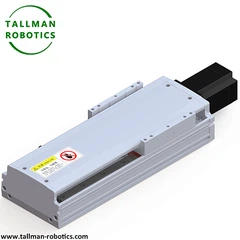


Selecting the right mounting bracket for a linear electric cylinder is a crucial decision that can significantly impact the performance, efficiency, and longevity of your linear motion system. As a trusted supplier of linear electric cylinders, we understand the importance of this choice and are here to guide you through the process.
Understanding the Basics of Linear Electric Cylinders
Before delving into the selection of mounting brackets, it's essential to have a clear understanding of linear electric cylinders themselves. A Electric Linear Cylinder is a device that converts electrical energy into linear motion. It offers precise control, high repeatability, and low maintenance compared to traditional pneumatic or hydraulic cylinders. These cylinders are widely used in various industries, including manufacturing, automation, robotics, and packaging.
There are different types of linear electric cylinders, such as Electric Rod Actuator and Electric Linear Motion System. Each type has its own characteristics and applications, which will influence the choice of mounting bracket.
Factors to Consider When Selecting a Mounting Bracket
1. Load Capacity
The first and most important factor to consider is the load capacity of the mounting bracket. The bracket must be able to support the weight of the linear electric cylinder, as well as any additional loads that will be applied during operation. This includes the weight of the payload, any external forces, and the dynamic loads generated by the movement of the cylinder.
To determine the required load capacity, you need to know the maximum force that the cylinder will exert and the weight of the components it will be moving. Make sure to choose a mounting bracket with a load capacity that exceeds the calculated requirements to ensure safety and reliability.
2. Alignment
Proper alignment is crucial for the smooth operation of a linear electric cylinder. The mounting bracket must be designed to ensure that the cylinder is aligned correctly with the load and the guiding system. Misalignment can cause increased wear and tear on the cylinder, reduced efficiency, and even premature failure.
When selecting a mounting bracket, look for features that facilitate easy alignment, such as adjustable mounting holes or a self-aligning design. This will help to minimize the risk of misalignment and ensure optimal performance.
3. Rigidity
The rigidity of the mounting bracket is another important consideration. A rigid bracket will help to prevent vibration and deflection, which can affect the accuracy and repeatability of the linear motion. It will also ensure that the cylinder operates smoothly and efficiently.
To ensure sufficient rigidity, choose a mounting bracket made from high-quality materials, such as steel or aluminum. The design of the bracket should also be optimized for maximum strength and stiffness.
4. Environmental Conditions
The environmental conditions in which the linear electric cylinder will operate can also have a significant impact on the choice of mounting bracket. For example, if the cylinder will be used in a corrosive environment, you may need to choose a mounting bracket made from a corrosion-resistant material, such as stainless steel.
Similarly, if the cylinder will be exposed to high temperatures, you need to ensure that the mounting bracket can withstand the heat without losing its strength or integrity. Consider the operating temperature range, humidity, and any other environmental factors when selecting the mounting bracket.
5. Installation Space
The available installation space is another practical consideration. You need to choose a mounting bracket that fits within the available space and allows for easy installation and maintenance. Make sure to measure the dimensions of the installation area carefully and choose a bracket that is compatible with your requirements.
Types of Mounting Brackets for Linear Electric Cylinders
1. Flange Mounting Brackets
Flange mounting brackets are one of the most common types of mounting brackets for linear electric cylinders. They are designed to attach the cylinder to a flat surface, such as a machine frame or a mounting plate. Flange brackets provide a stable and rigid connection, ensuring accurate alignment and smooth operation.
These brackets are available in various sizes and configurations to accommodate different cylinder models and installation requirements. They are typically made from steel or aluminum and can be easily installed using bolts or screws.
2. Clevis Mounting Brackets
Clevis mounting brackets are used to connect the linear electric cylinder to a pivot point or a moving component. They allow the cylinder to move in a swinging or pivoting motion, which is useful in applications where the load needs to be moved in an arc or a non-linear path.
Clevis brackets are designed to provide a flexible connection while still maintaining the necessary strength and stability. They are commonly used in robotics, automation, and other applications where precise motion control is required.


3. Foot Mounting Brackets
Foot mounting brackets are used to support the linear electric cylinder from the bottom. They are typically bolted to the floor or a base plate, providing a stable and secure foundation for the cylinder. Foot brackets are suitable for applications where the cylinder needs to be mounted in a vertical or horizontal position.
These brackets are available in different designs and sizes to accommodate various cylinder models and installation requirements. They are often used in industrial machinery, conveyor systems, and other applications where a solid support structure is needed.
4. Trunnion Mounting Brackets
Trunnion mounting brackets are designed to allow the linear electric cylinder to rotate around a fixed axis. They are typically used in applications where the cylinder needs to move in a circular or oscillating motion, such as in rotary tables or indexing systems.
Trunnion brackets provide a smooth and stable rotation, ensuring accurate positioning and repeatability. They are available in various sizes and configurations to suit different cylinder models and application requirements.
How to Choose the Right Mounting Bracket for Your Linear Electric Cylinder
1. Assess Your Application Requirements
The first step in choosing the right mounting bracket is to assess your application requirements. Consider the load capacity, alignment, rigidity, environmental conditions, and installation space as discussed earlier. Make a list of your specific requirements and use it as a guide when evaluating different mounting bracket options.
2. Consult with a Professional
If you are unsure about which mounting bracket is best for your application, it's a good idea to consult with a professional. As a supplier of linear electric cylinders, we have extensive experience and expertise in this area. Our team of experts can help you analyze your requirements, recommend the most suitable mounting bracket, and provide you with detailed technical support.
3. Compare Different Brands and Models
Once you have a clear understanding of your requirements, start comparing different brands and models of mounting brackets. Look for high-quality products that are designed to meet your specific needs and offer the best value for money. Consider factors such as the reputation of the manufacturer, the quality of the materials, the design features, and the price.
4. Consider Compatibility
Make sure that the mounting bracket you choose is compatible with your linear electric cylinder. Check the dimensions, mounting holes, and other specifications to ensure a proper fit. In some cases, you may need to use adapters or custom-made brackets to achieve compatibility.
Conclusion
Selecting the right mounting bracket for a linear electric cylinder is a critical decision that can have a significant impact on the performance and reliability of your linear motion system. By considering factors such as load capacity, alignment, rigidity, environmental conditions, and installation space, and by choosing the appropriate type of mounting bracket, you can ensure that your cylinder operates smoothly and efficiently.
As a leading supplier of linear electric cylinders, we are committed to providing our customers with high-quality products and excellent service. If you have any questions or need further assistance in selecting the right mounting bracket for your application, please do not hesitate to contact us. We look forward to working with you to meet your linear motion needs.
References
- "Linear Motion Technology Handbook"
- Industry standards and guidelines related to linear electric cylinders and mounting brackets


