
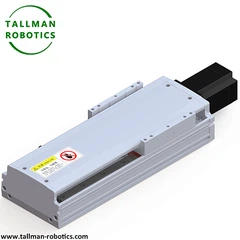


What is Linear Electric Drive?
Linear Electric DrivePure Electric Linear Motion Driving System
Linear electric drive is a pure electric power driving system for industrial linear motion execution. It converts electric energy into straight-line mechanical thrust without fluid power support. Unlike hybrid drive systems, it relies fully on electric signal and electromagnetic interaction. Meanwhile, it delivers precise and controllable linear motion for automated processes. It acts as the core power source for modern electric linear automation equipment.
Core Structural Composition
First, the drive system adopts electric power drive modules as core power units. It matches electromagnetic motion components to generate linear traction. Meanwhile, it integrates precision guide assemblies to standardize motion tracks.
In addition, it equips signal sensing modules for real-time motion feedback. Furthermore, it installs adaptive limit structures to secure operational ranges. Lastly, it reserves unified ports for automation system linkage.
Here, we introduce series Electric Cylinder with data as follows:
You are welcome to watch more projects or visit our video gallery by Youtube: https://www.youtube.com/@tallmanrobotics


Technical Features & Functional Advantages
|
Item |
Technical Feature |
Core Function |
Application Advantage |
|---|---|---|---|
|
Drive Principle |
Pure electric electromagnetic energy conversion |
Output stable electric linear mechanical thrust |
Remove pneumatic and hydraulic auxiliary structures |
|
Motion Control |
Signal-based adjustable linear motion |
Regulate displacement and motion rhythm flexibly |
Adapt diversified automated production procedures |
|
Operational State |
Smooth continuous linear traveling |
Support cyclic reciprocating linear movement |
Maintain stable operation in long-cycle production |
|
System Compatibility |
Standard electric signal linkage design |
Connect with mainstream automation controllers |
Realize seamless integration with smart production lines |
Frequently Asked Questions
Q1: What makes linear electric drive different from fluid drive systems?
It uses pure electric electromagnetic drive for linear motion output. Fluid drives rely on air pressure or hydraulic power. This electric drive features simpler structure, cleaner operation and more flexible motion regulation for precision automation tasks.
Q2: Can linear electric drive support high-frequency cyclic motion?
Yes. The electromagnetic drive structure has no fluid pipeline lag. It responds fast to electric signal commands. It maintains stable and consistent linear motion during long-term repeated cyclic operation.
Q3: What industrial scenarios suit linear electric drive best?
It fits electronic precision assembly, automated product detection, lightweight material conveying, intelligent positioning adjustment and all clean, precise linear motion automation scenarios.
Q4: Does pure electric structure improve operational cleanliness?
Yes. It has no hydraulic oil leakage or air impurity pollution. The fully electric operating mode meets clean workshop standards. It adapts high-standard dust-free industrial production environments.
Q5: What are the main application limitations of linear electric drive?
It cannot generate ultra-high instant thrust like hydraulic drive systems. It relies on stable electric power and signal supply. It does not suit ultra-heavy load stamping and high-pressure industrial scenarios.
Hot Tags: linear electric drive, China linear electric drive manufacturers, suppliers, factory, Servo Powered Electric Cylinder, Electrical Linear Cylinder, Electric Push Pull Device, Electric Powered Push Pull Device, Electric Actuating Rod Device, Linear Electric Motion System


