
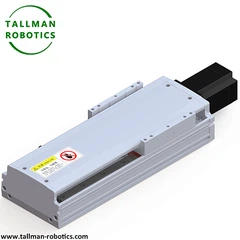


Modular Rack and Pinion Gear is a core component in the field of mechanical transmission that combines flexibility and efficiency. Through standardized design and modular architecture, it provides reliable motion conversion solutions for industrial automation, precision equipment, and more.
Modular Rack and Pinion Gear consists of standardized gear and rack units.
The rack is made of high-strength alloy steel, which has undergone quenching hardening and precision grinding treatment. The tooth surface hardness reaches HRC50-60, and the wear resistance is superior. The modulus covers 0.5-20, and it is suitable for different load requirements; The gear adopts an involute tooth profile with a pressure angle of 20 ° to ensure precise meshing with the rack. The length of a single rack is usually between 500-3000mm, supporting multiple splices and achieving almost infinite linear motion travel, breaking through the travel limitations of traditional transmission methods. Modular design allows users to quickly combine gears, racks, and supporting components such as rails and motors of different specifications according to actual working conditions, flexibly build transmission systems, and greatly shorten equipment construction cycles.
Here, in this page, we introduce model TMG135CM, and TMG135CR with technical parameter as follows:
You are welcome to watch more projects or visit our video gallery by Youtube: https://www.youtube.com/@tallmanrobotics
|
Model No |
TMG220CM |
TMG220CR |
||||
|
Motor Power (W) |
750 |
1500 |
||||
|
Repeatability (mm) |
±0.01/±0.02 |
|||||
|
Gear Teeth |
30 |
|||||
|
Gear Pitch |
6.666 |
|||||
|
Reduction Ratio |
1:5 |
1:10 |
||||
|
Lead (mm) |
40/20 |
40/20 |
||||
|
Max Speed(mm/s) |
2000/1000 |
2000/1000 |
||||
|
Motor Speed 3000(rpm/min) |
||||||
|
Max Load |
Acceleration Deceleration |
Horizontal |
0.3G |
25/60 |
60/120 |
|
|
Vertical |
0.3G |
5/10 |
10/22 |
|||
|
Rated Thrust |
60/120 |
120/240 |
||||
|
Linear guide (mm) |
23*18-2 |
|||||
|
Origin Sensor |
Out plug |
EE-SX672(NPN-SX672P(PNP) |
||||
|
Inside |
EE-SX674(NPN-SX674P(PNP) |
|||||
|
Closed type |
Open |
Fully-closed |
||||


FAQ:
1. How to choose the lead when selecting a screw for a linear module?
Lead directly affects operating speed. Choose a small lead (5 or 10 mm) for low speed and high precision. Select a medium lead (10 or 20 mm) for moderate speed. Choose a large lead (20 or 40 mm) for high-speed light load applications. Verify the motor speed using this formula: speed = lead × motor speed / 60. Match lead to your required linear velocity.
2. What is the impact of the precision level (C3/C5/C7) of the screw on the linear module, and how should it be selected?
Higher precision levels give higher accuracy. C3 offers ultra-high precision for detection equipment. C5 provides high precision for precision machining. C7 delivers ordinary precision for automated conveying. Select the grade according to your positioning accuracy requirement. Do not blindly choose high grades, as they increase cost significantly. Match the grade to your actual need.
3. What are the differences in the application scenarios of ball screws and trapezoidal screws in linear modules?
Ball screws provide high precision, high speed, and low friction. They suit precision equipment and high-cycle automation. Trapezoidal screws offer low cost and good self-locking capability, especially for vertical installation. They handle higher loads but deliver lower precision. Use trapezoidal screws for vertical lifting or low-precision applications. Choose ball screws for high-speed, high-accuracy horizontal motion.
4. What is the correlation between the diameter of the screw and the load capacity of the linear module, and how is it matched?
Larger screw diameter increases rated load capacity and deflection resistance. When matching, refer to the manufacturer's sample. Ensure the screw's rated dynamic or static load meets or exceeds 1.2 to 1.5 times the actual load. For ultra-long strokes, increase the diameter further to prevent deflection. Do not undersize the diameter for heavy loads or long lengths.
5. What are the support methods for the screw in the linear module, and what working conditions are suitable for each?
Fixed-Free (FK-F) suits short stroke and low speed. Fixed-Supported (FK-FS) works for medium stroke and medium speed; this is the mainstream method. Fixed-Fixed (FK-FK) handles long stroke, high speed, and high precision. Choose the support method based on your stroke length and operating speed. Fixed-Fixed provides the highest rigidity and critical speed.
Hot Tags: modular rack and pinion gear, China modular rack and pinion gear manufacturers, suppliers, factory, Linear Rack and Pinion Transmission, rack and pinion linear modules


