
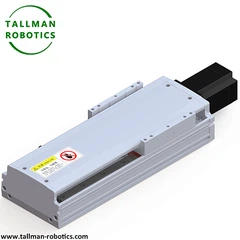


Hey there! As a supplier of linear motors, I've seen my fair share of issues when it comes to these nifty pieces of equipment. Linear motors are super useful in a bunch of industries, from manufacturing to robotics. But like any other machinery, they can run into problems. In this blog, I'll share some tips on how to troubleshoot linear motors.
Understanding the Basics
First off, let's quickly go over what a linear motor is. A Linear Motor is a type of electric motor that produces a straight-line motion instead of the typical rotational motion. It's like a regular motor, but it moves in a straight path. They're used in many applications where precise linear motion is required, like in CNC machines and automated assembly lines.
There are also Linear Motor Actuator and Linear Drive Motor. The actuator is a device that uses the linear motor to create motion, and the drive motor is responsible for powering the whole system.
Common Problems and Solutions
1. Overheating
One of the most common issues with linear motors is overheating. This can happen for a few reasons. Maybe the motor is being overloaded, or there could be a problem with the cooling system.
Check the Load: If the motor is trying to move a load that's too heavy for it, it'll work harder and generate more heat. Look at the specifications of your linear motor to see what its maximum load capacity is. If the load is too high, you might need to either reduce the load or upgrade to a more powerful motor.


Inspect the Cooling System: Most linear motors have some kind of cooling mechanism, like a fan or a water cooling system. Make sure the fan is working properly and that there's no blockage in the cooling channels. If it's a water cooling system, check for leaks and make sure the water is flowing at the right rate.
2. Noise and Vibration
Excessive noise and vibration can be a sign of trouble. It could be due to misalignment, worn-out bearings, or loose components.
Check for Misalignment: Misalignment can cause the motor to rub against other parts, creating noise and vibration. Use a laser alignment tool to check if the motor is properly aligned with the rest of the system. If it's not, adjust it accordingly.
Inspect the Bearings: Worn-out bearings can also be a culprit. Listen for any grinding or clicking sounds, which could indicate bearing problems. If you suspect the bearings are bad, replace them as soon as possible.
Tighten Loose Components: Sometimes, loose screws or bolts can cause vibration. Go over the motor and tighten any loose components.
3. Electrical Issues
Electrical problems can be a bit trickier to diagnose, but they're also common.
Check the Power Supply: Make sure the motor is getting the right amount of power. Use a multimeter to measure the voltage and current. If the readings are off, there could be a problem with the power supply or the wiring.
Inspect the Wiring: Look for any frayed or damaged wires. A short circuit in the wiring can cause the motor to malfunction. If you find any damaged wires, repair or replace them.
Test the Controller: The controller is responsible for regulating the motor's speed and direction. If the motor isn't working correctly, the controller could be the problem. Use diagnostic tools to test the controller and make sure it's sending the right signals to the motor.
4. Positioning Errors
If the linear motor isn't moving to the correct position, it could be due to a few factors.
Check the Encoder: The encoder is a device that provides feedback on the motor's position. If it's not working properly, the motor won't know where it's supposed to go. Use an encoder tester to check if the encoder is functioning correctly. If it's not, replace it.
Calibrate the System: Sometimes, the system just needs to be recalibrated. Follow the manufacturer's instructions to calibrate the linear motor and the associated components.
Preventive Maintenance
Preventive maintenance is key to keeping your linear motors running smoothly. Here are some tips:
Regular Cleaning: Keep the motor clean and free of dust and debris. Use a soft brush or compressed air to clean the motor and its components.
Lubrication: If your linear motor has moving parts that require lubrication, make sure to lubricate them regularly. Use the recommended lubricant and follow the manufacturer's instructions.
Inspections: Conduct regular inspections of the motor and its components. Look for any signs of wear and tear, and replace any parts that are starting to show problems.
When to Call in the Experts
Sometimes, troubleshooting linear motors can be a bit too complicated, and that's when it's time to call in the experts. If you've tried all the troubleshooting steps and the problem still persists, or if you're not comfortable working with electrical or mechanical components, it's best to get professional help.
As a linear motor supplier, we have a team of experts who can help you with any issues you might be having. Whether it's diagnosing a problem, providing replacement parts, or offering maintenance services, we're here to support you.
If you're in the market for a new linear motor or need help with your existing one, don't hesitate to reach out. We can offer you high-quality products and expert advice to ensure your linear motor system runs smoothly. Contact us to start a discussion about your needs and how we can help you find the best solution.
References
- Manufacturer's manuals for linear motors, actuators, and drive motors.
- Industry standards and best practices for linear motor maintenance and troubleshooting.


