
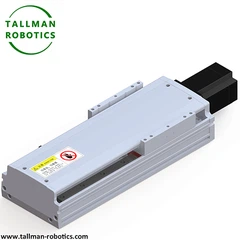


As a provider of Indexer With Cam Drive, I understand the importance of safety when using this type of equipment. In this blog post, I will discuss the key safety precautions that users should take to ensure the safe and efficient operation of an Indexer With Cam Drive.
1. Pre - operation Inspection
Before starting the Indexer With Cam Drive, a thorough pre - operation inspection is essential. Check the physical condition of the equipment, including the cam drive mechanism, the indexer body, and all connecting parts. Look for any signs of damage, such as cracks, dents, or loose bolts. A damaged cam drive can lead to erratic indexing and potentially cause serious safety hazards.


Inspect the lubrication system. Proper lubrication is crucial for the smooth operation of the cam drive. Make sure that the lubricant level is within the recommended range, and the lubricant is of the correct type as specified by the manufacturer. For example, some high - speed Indexer With Cam Drive may require a special high - performance lubricant to reduce friction and heat generation.
Verify the electrical connections if the indexer is powered electrically. Ensure that all wires are properly connected, insulated, and free from any signs of wear or damage. Loose or damaged electrical connections can cause short - circuits, electrical shocks, or even fires.
2. Operator Training
One of the most important safety aspects is ensuring that the operators are well - trained. Operators should have a comprehensive understanding of the Indexer With Cam Drive's operation manual. They need to know how to start, stop, and adjust the equipment correctly. For instance, they should be aware of the proper way to set the indexing speed and the number of indexing positions.
Training should also cover emergency procedures. Operators need to know how to respond quickly in case of an emergency, such as a sudden stop of the equipment or a malfunction. They should be familiar with the location and operation of emergency stop buttons. These buttons are designed to immediately halt the operation of the indexer in dangerous situations, preventing further damage or injury.
Regular refresher courses should be provided to keep the operators updated on the latest safety procedures and any new features or improvements of the Indexer With Cam Drive.
3. Installation and Mounting
Proper installation and mounting of the Indexer With Cam Drive are critical for its safe operation. The equipment should be installed on a stable and level surface. An uneven or unstable mounting surface can cause vibrations during operation, which may lead to premature wear of the cam drive components and increase the risk of accidents.
Follow the manufacturer's installation instructions carefully. Use the correct mounting hardware and ensure that all bolts are tightened to the specified torque. Incorrectly tightened bolts can loosen over time, causing the indexer to shift or become misaligned.
When installing the indexer, pay attention to the alignment with other components in the system. For example, if it is part of a production line, it should be accurately aligned with the input and output conveyors or other machinery. Misalignment can cause excessive stress on the cam drive, resulting in reduced performance and potential safety issues.
4. Protective Guards
Install appropriate protective guards around the Indexer With Cam Drive. These guards are designed to prevent operators from coming into contact with moving parts, such as the cam and the drive shaft. Moving parts can cause severe injuries, including cuts, bruises, and even amputations.
The protective guards should be made of strong and durable materials, and they should be securely fastened to the equipment. They should also be designed in such a way that they do not interfere with the normal operation of the indexer. For example, they should allow for easy access to inspection ports and maintenance points while still providing adequate protection.
Regularly check the protective guards for any signs of damage or wear. If a guard is damaged, it should be repaired or replaced immediately to ensure continuous protection.
5. Maintenance and Servicing
Regular maintenance is essential for the safe and reliable operation of the Indexer With Cam Drive. Establish a maintenance schedule and follow it strictly. This schedule should include tasks such as lubricant changes, inspection of wear parts, and calibration of the indexing mechanism.
During maintenance, use only genuine replacement parts. Using non - genuine parts may not meet the required quality and safety standards, which can lead to equipment failure and safety risks. For example, a non - genuine cam may not have the correct profile, causing inaccurate indexing and potential damage to other components.
When servicing the equipment, always follow the lock - out/tag - out procedures. This means that the power supply to the indexer should be turned off, and a lock or tag should be placed on the power switch to prevent accidental startup. This procedure ensures the safety of the maintenance personnel.
6. Monitoring and Control
Implement a monitoring system to keep track of the Indexer With Cam Drive's performance. This can include monitoring parameters such as temperature, vibration, and indexing accuracy. Unusual changes in these parameters can indicate potential problems with the equipment.
For example, a sudden increase in temperature may suggest that the lubrication is insufficient or there is excessive friction in the cam drive. High - level vibrations can be a sign of misalignment or a worn - out component. By monitoring these parameters, operators can detect problems early and take appropriate measures to prevent breakdowns and safety incidents.
Use control systems to ensure that the indexer operates within the safe limits. For example, set speed limits and torque limits to prevent overloading of the equipment. The control system should also be able to detect abnormal operating conditions and automatically shut down the indexer if necessary.
7. Compatibility with Other Equipment
When using an Indexer With Cam Drive in a production environment, ensure that it is compatible with other equipment in the system. For example, if it is connected to a motor, the motor's power and speed characteristics should be matched with the requirements of the indexer.
Incompatible equipment can cause problems such as overloading, excessive wear, and reduced efficiency. It can also increase the risk of safety issues. For instance, if a motor is too powerful for the indexer, it may cause the cam drive to fail prematurely.
Before integrating the Indexer With Cam Drive into a system, conduct compatibility tests to ensure that all components work together smoothly and safely.
8. Documentation and Record - keeping
Maintain detailed documentation of the Indexer With Cam Drive's operation, maintenance, and any incidents. This documentation can be useful for troubleshooting, safety audits, and compliance with regulations.
Keep records of all maintenance activities, including the date of maintenance, the tasks performed, and the replacement parts used. This information can help in identifying patterns of wear and tear and planning for future maintenance.
In case of an incident or accident, document all the details, such as the time, location, and nature of the incident. This documentation can be used for root - cause analysis and to prevent similar incidents from happening in the future.
Conclusion
Safety is of utmost importance when using an Indexer With Cam Drive. By following these safety precautions, operators can ensure the safe and efficient operation of the equipment, reduce the risk of accidents, and extend the service life of the indexer.
If you are interested in purchasing an Indexer With Cam Drive or need more information about our products, such as the Rigid Cam Indexing Unit, DF Cam Indexer, or Parallel Shaft Cam Indexer, please feel free to contact us for further discussion and negotiation.
References
- Manufacturer's operation and maintenance manuals for Indexer With Cam Drive.
- Industry safety standards and regulations related to machinery operation.


