
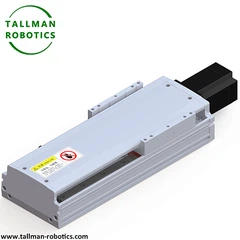


Hey there! As a supplier of Fine Pitch Cam Indexers, I often get asked about all sorts of technical details. One of the most common questions is about the maximum indexing angle deviation. So, let's dig into this topic and see what it's all about.
First off, what's a Fine Pitch Cam Indexer? Well, it's a crucial component in many automation and machinery setups. It's designed to provide accurate and precise indexing motion, which means it moves a load to a specific position at a set interval. This is super important in industries like packaging, printing, and assembly, where precision is key.
Now, let's talk about indexing angle deviation. In simple terms, it's the difference between the actual indexing angle and the desired or theoretical indexing angle. Every cam indexer has some level of deviation, and the maximum indexing angle deviation is the highest amount of this difference that the indexer can have under normal operating conditions.
Why does this matter? Well, if the deviation is too large, it can seriously affect the performance of your machinery. For example, in a packaging line, if the indexer doesn't move the product to the exact right position, it can lead to misaligned labels, incorrect filling, or even jams in the production process. This can result in wasted materials, increased downtime, and ultimately, lost profits.
So, what factors can affect the maximum indexing angle deviation of a Fine Pitch Cam Indexer?
1. Manufacturing Quality
The quality of the manufacturing process plays a huge role. If the indexer is made with low - quality materials or inaccurate machining, it's more likely to have a larger deviation. At our company, we use high - precision manufacturing techniques and the best quality materials to ensure that our Fine Pitch Cam Indexers have minimal deviation. We carry out rigorous quality control checks at every stage of production to make sure that each indexer meets our high standards.
2. Wear and Tear
Over time, as the indexer is used, there will be some wear on its components. The cams and rollers, which are the main parts responsible for the indexing motion, can experience wear. This wear can cause the indexing angle to deviate from the original setting. Regular maintenance is essential to minimize the effects of wear and tear. This includes lubrication, inspection, and replacement of worn parts.
3. Load and Speed
The load that the indexer is carrying and the speed at which it operates also impact the indexing angle deviation. Higher loads and speeds can put more stress on the indexer, causing it to deviate more from the desired angle. When selecting a Fine Pitch Cam Indexer, it's important to choose one that is rated for the specific load and speed requirements of your application.
4. Environmental Conditions
The environment in which the indexer is used can be a factor too. Extreme temperatures, humidity, and the presence of dust or debris can all affect the performance of the indexer and increase the indexing angle deviation. For example, in a hot and dusty environment, the lubrication may break down faster, leading to increased wear on the components.
So, what's the typical range of the maximum indexing angle deviation for a Fine Pitch Cam Indexer? Well, it can vary depending on the specific model and manufacturer. Generally, for high - quality Fine Pitch Cam Indexers, the maximum indexing angle deviation can be as low as ±0.05 degrees. However, in some less precise models or under less than ideal operating conditions, it could be as high as ±0.5 degrees or more.


When you're in the market for a Fine Pitch Cam Indexer, it's important to look at the technical specifications and ask the supplier about the maximum indexing angle deviation. Make sure it meets the requirements of your application. If you need extremely high precision, you might want to consider a Precision Grade Cam Indexer. These are designed to have very low indexing angle deviations, making them suitable for applications where accuracy is of the utmost importance.
Another option is the Positioning Cam Indexer. These are great for applications that require accurate positioning at specific intervals. They offer a good balance between precision and cost - effectiveness.
If you're looking for a more general - purpose cam indexer, the DS Cam Indexer could be a good choice. It's reliable and can handle a wide range of loads and speeds, with a reasonable maximum indexing angle deviation for most applications.
At the end of the day, choosing the right Fine Pitch Cam Indexer with an appropriate maximum indexing angle deviation is crucial for the success of your machinery and production processes. If you have any questions or need help in selecting the right indexer for your application, don't hesitate to reach out. Our team of experts is always here to assist you. We can provide you with detailed information about our products, their performance, and how they can best meet your needs.
Whether you're a small business looking to improve your production efficiency or a large - scale manufacturer in need of high - precision components, we've got the Fine Pitch Cam Indexers that can fit your requirements. So, if you're interested in learning more or starting a purchase negotiation, just drop us a line. We're eager to work with you and help you take your operations to the next level.
References
- Cam Indexer Handbook, Industry Standard Publication
- Technical Papers on Precision Motion Control, Various Academic Journals


