
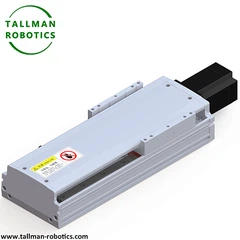


Hey there! As a supplier of three - axis gantries, I know firsthand how crucial it is to ensure the safety of operators when using these powerful machines. In this blog, I'll share some practical tips and insights on how to keep your operators safe while they're working with a three - axis gantry.
Understanding the Three - Axis Gantry
First things first, let's quickly go over what a three - axis gantry is. A three - axis gantry is a type of robotic system that can move along three different axes: the X, Y, and Z axes. This allows it to perform a wide range of tasks, from pick - and - place operations to precision machining. You can learn more about gantry systems by checking out this Gantry Robot page.
Conduct Thorough Training
One of the most important steps in ensuring operator safety is providing comprehensive training. Operators should be well - versed in the operation, maintenance, and safety protocols of the three - axis gantry. This training should cover everything from basic controls to emergency shutdown procedures.
When I train new operators, I always start with the basics. I show them how to power on the machine, how to navigate the control panel, and how to set up different tasks. I also make sure they understand the importance of wearing the right personal protective equipment (PPE), like safety glasses, gloves, and steel - toed boots.
It's also a good idea to have refresher courses every once in a while. Technology is always evolving, and new safety features may be added to the gantry over time. By keeping operators up - to - date, you can reduce the risk of accidents.


Implement Safety Guards and Barriers
Safety guards and barriers are essential for protecting operators from moving parts and potential hazards. These physical barriers can prevent operators from accidentally coming into contact with the gantry's moving components, such as belts, chains, and motors.
There are different types of safety guards available, including fixed guards, interlocked guards, and adjustable guards. Fixed guards are permanently attached to the machine and provide a constant barrier. Interlocked guards, on the other hand, are connected to the machine's control system. When the guard is opened, the machine automatically shuts down. Adjustable guards can be moved or adjusted to fit different tasks or workpieces.
I always recommend using a combination of these guards to provide the highest level of protection. And don't forget to regularly inspect the guards to make sure they're in good condition and properly installed.
Use Safety Sensors and Devices
In addition to physical barriers, safety sensors and devices can play a crucial role in operator safety. These sensors can detect the presence of an operator or an object in the gantry's work area and trigger an immediate response.
For example, light curtains are a popular safety device. They use infrared light beams to create a protective barrier. If an object breaks the light beam, the gantry will stop moving. Pressure mats are another option. They can be placed on the floor around the gantry, and when an operator steps on the mat, the machine shuts down.
You can also install emergency stop buttons in easily accessible locations around the gantry. These buttons should be clearly marked and within reach of the operator at all times. In case of an emergency, the operator can quickly press the button to stop the machine.
Regular Maintenance and Inspections
Regular maintenance and inspections are key to keeping the three - axis gantry in safe working condition. A well - maintained machine is less likely to malfunction and cause an accident.
I recommend creating a maintenance schedule that includes daily, weekly, monthly, and annual checks. During these checks, you should inspect the gantry's mechanical components, electrical systems, and safety features. Look for signs of wear and tear, loose connections, or any other issues that could pose a safety risk.
For example, you should check the belts and chains for proper tension and alignment. Make sure the lubrication levels are correct, and that all the fasteners are tight. Electrical components, such as wiring and switches, should also be inspected for damage or signs of overheating.
Risk Assessment
Before starting any new task or operation with the three - axis gantry, it's important to conduct a risk assessment. This involves identifying potential hazards and determining the best way to mitigate them.
For instance, if you're using the gantry to handle heavy or sharp objects, you need to consider the risk of the object falling or causing cuts. You may need to use additional safety measures, such as suction cups or grippers to secure the object, or provide extra PPE for the operator.
Risk assessment should be an ongoing process. As new tasks are added or the work environment changes, you should re - evaluate the risks and adjust your safety measures accordingly.
Communication and Teamwork
Good communication and teamwork are essential for operator safety. Operators should be able to communicate effectively with each other and with supervisors. This includes sharing information about potential hazards, machine malfunctions, or any other safety - related issues.
I always encourage my operators to speak up if they notice something wrong. Whether it's a strange noise from the gantry or a loose part, it's better to address the issue right away than to wait and risk an accident.
Teamwork also plays a role in safety. Operators should work together to ensure that the gantry is used safely. For example, if one operator is loading a workpiece onto the gantry, another operator should be on standby to assist and make sure everything is done correctly.
Conclusion
Ensuring the safety of operators when using a three - axis gantry is a multi - faceted process. It involves providing proper training, implementing safety guards and sensors, conducting regular maintenance, performing risk assessments, and promoting good communication and teamwork.
As a supplier, I'm committed to helping my customers keep their operators safe. If you're in the market for a three - axis gantry or need advice on safety measures, don't hesitate to reach out. We can have a chat about your specific needs and come up with the best solutions for your operation.
If you want to explore more about related products, you can also check out Multi Axis Linear Actuator and XY Positioning Stage.
Let's work together to create a safe and productive work environment with our three - axis gantries!
References
- General safety guidelines for industrial machinery.
- Manufacturer's manuals for three - axis gantries.
- OSHA (Occupational Safety and Health Administration) regulations related to robotic systems.


