
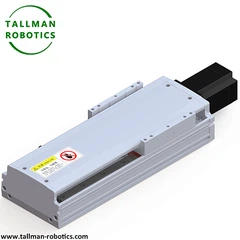


Hey there! As a supplier of linear motors, I've seen firsthand how crucial it is to have these motors performing at their best. Whether you're in manufacturing, automation, or any other industry that relies on linear motion, getting the most out of your linear motors can make a huge difference in efficiency and productivity. In this blog, I'm gonna share some tips on how to improve the performance of linear motors.
Understanding the Basics of Linear Motors
Before we dive into the tips, let's quickly go over what linear motors are. Linear motors are a type of electric motor that produces linear motion instead of rotational motion like traditional motors. There are different types of linear motors, such as the Electromagnetic Direct Drive, Linear Induction Motor, and Linear Drive Motor. Each type has its own characteristics and applications, but they all work on the principle of converting electrical energy into linear mechanical force.
Proper Installation and Alignment
One of the first steps to improving the performance of linear motors is to ensure proper installation and alignment. A misaligned motor can cause a whole bunch of problems, like increased wear and tear, reduced efficiency, and even premature failure. When installing a linear motor, make sure to follow the manufacturer's instructions carefully. Use precision tools to align the motor with the load and the guide rails. Any small misalignment can have a big impact on the motor's performance over time.
For example, if the motor is not aligned correctly with the guide rails, it can cause uneven loading on the bearings and the motor windings. This can lead to increased friction, which in turn reduces the motor's efficiency and can cause overheating. So, take the time to get the alignment right during installation, and it'll pay off in the long run.
Regular Maintenance
Just like any other piece of equipment, linear motors need regular maintenance to perform at their best. This includes things like cleaning, lubrication, and inspection. Over time, dust, dirt, and debris can accumulate on the motor's components, which can affect its performance. Regular cleaning can help prevent this buildup and keep the motor running smoothly.
Lubrication is also important for reducing friction and wear in the motor. Make sure to use the right type of lubricant recommended by the manufacturer, and apply it at the appropriate intervals. Inspecting the motor regularly for signs of wear, damage, or loose connections is also crucial. Catching problems early can prevent them from turning into major issues that could disrupt your operations.
Optimizing the Power Supply
The power supply plays a big role in the performance of linear motors. Using the wrong power supply can lead to underpowering or overpowering the motor, both of which can have negative effects. Make sure to use a power supply that is compatible with the motor's specifications. This includes factors like voltage, current, and frequency.
If the power supply voltage is too low, the motor may not be able to generate enough force to move the load properly. On the other hand, if the voltage is too high, it can cause the motor to overheat and potentially damage the windings. Additionally, a stable power supply is important. Fluctuations in voltage or current can cause the motor to operate erratically and reduce its efficiency. Consider using a power conditioner or a voltage stabilizer to ensure a consistent power supply.


Choosing the Right Controller
A good controller is essential for getting the most out of a linear motor. The controller is responsible for regulating the motor's speed, position, and force. It can also provide feedback on the motor's performance, which can be used to make adjustments and optimize its operation.
When choosing a controller, look for one that is compatible with your linear motor and offers the features you need. Some controllers come with advanced features like closed-loop control, which can provide more precise control over the motor's position and speed. Closed-loop control uses sensors to measure the motor's actual position and compares it to the desired position. If there is a difference, the controller adjusts the motor's input to correct it. This can result in much more accurate and efficient operation.
Load Management
Proper load management is another key factor in improving the performance of linear motors. Overloading a motor can cause it to overheat, reduce its efficiency, and shorten its lifespan. Make sure to choose a motor that is rated for the load you need to move. If you're not sure what size motor you need, consult with the manufacturer or a technical expert.
In addition to choosing the right motor, it's also important to manage the load during operation. Avoid sudden starts and stops, as these can put a lot of stress on the motor. Instead, use a smooth acceleration and deceleration profile. If possible, distribute the load evenly across the motor to prevent uneven loading, which can also cause problems.
Temperature Control
Linear motors generate heat during operation, and excessive heat can have a negative impact on their performance. High temperatures can cause the motor's insulation to break down, which can lead to short circuits and other electrical problems. It can also reduce the motor's efficiency and cause the magnets to lose their strength over time.
To control the temperature of the motor, make sure there is adequate ventilation around the motor. You can also use cooling systems, such as fans or heat sinks, to dissipate the heat. If the motor is operating in a high-temperature environment, consider using a motor with a higher temperature rating or taking additional measures to cool the environment.
Monitoring and Feedback
Finally, monitoring the performance of the linear motor and using feedback to make adjustments is crucial for continuous improvement. There are various sensors and monitoring systems available that can provide real-time data on the motor's performance, such as speed, position, temperature, and current. By analyzing this data, you can identify any potential issues early and take corrective action.
For example, if you notice that the motor's temperature is rising steadily, it could be a sign of a problem, such as a blocked ventilation or a misaligned load. By taking action to address the issue, you can prevent further damage and improve the motor's performance.
Conclusion
Improving the performance of linear motors requires a combination of proper installation, regular maintenance, and the right operating conditions. By following the tips I've shared in this blog, you can get the most out of your linear motors and ensure they operate efficiently and reliably.
If you're in the market for high-quality linear motors or need more information on how to optimize their performance, don't hesitate to reach out. We're here to help you find the right solutions for your specific needs. Whether you're looking for a Electromagnetic Direct Drive, a Linear Induction Motor, or a Linear Drive Motor, we've got you covered. Contact us today to start a conversation about your requirements and how we can help you improve your operations with our linear motors.
References
- Manufacturer's manuals for linear motors
- Industry standards and best practices for linear motor installation and maintenance
- Technical papers on linear motor performance optimization


