

Hey there! As a supplier of three - axis gantries, I've seen firsthand how important it is to keep these machines up - to - date. Whether you're looking to boost performance, increase precision, or add new features, upgrading your three - axis gantry can make a world of difference. In this blog, I'll share some tips on how to upgrade a three - axis gantry and why it might be a great move for your business.
Why Upgrade Your Three - Axis Gantry?
Before we dive into the how - to, let's talk about the why. There are several reasons you might want to upgrade your three - axis gantry. First off, technology is always advancing. Newer models come with better motors, more precise sensors, and advanced control systems. Upgrading can give you access to these cutting - edge features, allowing you to produce higher - quality products more efficiently.
Secondly, as your business grows, your production needs may change. You might need to handle larger workpieces, increase your throughput, or perform more complex tasks. An upgraded gantry can provide the additional capabilities you need to meet these evolving demands.
Lastly, upgrading can also improve the reliability and longevity of your equipment. Older gantries may experience more breakdowns and require more maintenance. By investing in an upgrade, you can reduce downtime and save on repair costs in the long run.
Assessing Your Current Gantry
The first step in upgrading your three - axis gantry is to assess its current state. Take a close look at the gantry's components, including the motors, drives, linear guides, and control system. Check for signs of wear and tear, such as excessive noise, vibration, or reduced performance.
You should also evaluate the gantry's performance metrics, such as speed, accuracy, and repeatability. Compare these metrics to your current production requirements and see if there are any areas that need improvement. For example, if you're struggling to achieve the desired level of precision, you may need to upgrade the linear guides or the control system.
Upgrading the Motors and Drives
One of the most common upgrades for a three - axis gantry is the motors and drives. Newer motors are more powerful, energy - efficient, and offer better control than older models. They can also provide higher torque at lower speeds, which is beneficial for applications that require precise positioning.
When choosing new motors and drives, consider the gantry's load requirements, speed, and acceleration. You'll also need to make sure that the new motors and drives are compatible with the gantry's existing control system. If necessary, you may need to upgrade the control system as well to ensure seamless integration.
Upgrading the Linear Guides
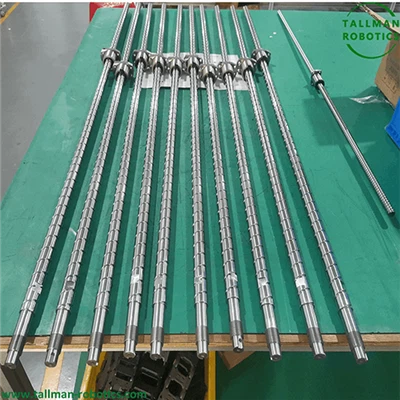
The linear guides are another critical component of a three - axis gantry. They provide the support and guidance for the gantry's moving parts, ensuring smooth and accurate motion. Over time, the linear guides can wear out, leading to reduced performance and accuracy.
Upgrading to high - quality linear guides can significantly improve the gantry's performance. Look for guides that offer high load capacity, low friction, and excellent rigidity. Some linear guides also come with features such as self - lubrication and dust protection, which can further enhance their reliability and longevity.
Upgrading the Control System
The control system is the brain of the three - axis gantry. It manages the movement of the motors, coordinates the actions of the different axes, and ensures that the gantry operates according to the programmed instructions.
Upgrading the control system can provide several benefits. Newer control systems offer more advanced features, such as motion profiling, error compensation, and real - time monitoring. They also provide better user interfaces, making it easier to program and operate the gantry.
When upgrading the control system, make sure to choose a system that is compatible with the gantry's existing hardware. You may also need to train your operators on how to use the new system effectively.
Adding New Features
In addition to upgrading the existing components, you may also want to consider adding new features to your three - axis gantry. For example, you could add a vision system to improve the gantry's ability to detect and position parts accurately. A vision system can be especially useful for applications that require high levels of precision, such as electronics manufacturing.
Another option is to add a tool changer. A tool changer allows the gantry to automatically switch between different tools, increasing its versatility and productivity. This can be particularly beneficial for applications that require multiple machining operations.


Compatibility and Integration
When upgrading your three - axis gantry, it's crucial to ensure that all the new components and features are compatible with each other and with the existing gantry. Incompatible components can lead to performance issues, increased downtime, and even damage to the equipment.
Before making any upgrades, consult with a professional or the manufacturer of the gantry. They can provide guidance on which components are compatible and how to integrate them properly. You may also need to perform some testing and calibration after the upgrades to ensure that the gantry is operating correctly.
Cost Considerations
Upgrading a three - axis gantry can be a significant investment. However, it's important to consider the long - term benefits. An upgraded gantry can increase productivity, improve product quality, and reduce maintenance costs, which can ultimately lead to a higher return on investment.
When budgeting for the upgrade, consider not only the cost of the new components but also the cost of installation, training, and any necessary modifications to the existing gantry. You may also want to explore financing options or incentives that could help offset the cost of the upgrade.
Resources for Upgrades
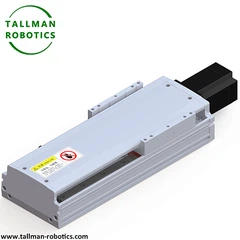
If you're looking for specific components or systems to upgrade your three - axis gantry, there are several resources available. For example, you can check out the XY Gantry Linear Slide, which offers high - performance linear motion solutions. The XY Positioning Stage is another great option for applications that require precise positioning. And if you're looking for a more advanced solution, the Multi Axis Linear Robot provides multi - axis motion control capabilities.
Conclusion
Upgrading a three - axis gantry can be a complex but rewarding process. By assessing your current gantry, upgrading the motors and drives, linear guides, and control system, adding new features, and ensuring compatibility and integration, you can significantly improve the performance and capabilities of your gantry.
If you're considering an upgrade for your three - axis gantry, don't hesitate to reach out. As a supplier, I have the expertise and resources to help you make the right decisions and ensure a successful upgrade. Whether you need advice on which components to choose or assistance with installation and integration, I'm here to support you. Let's work together to take your production to the next level!
References
- Industry knowledge and experience as a three - axis gantry supplier.
- Technical specifications and documentation of three - axis gantry components and systems.